
Are you new to Germany and struggling to meet women? Or perhaps you’re a local who’s tired of the same old dating scene and looking for new ways to connect with interesting women. Whatever your situation may be, meeting women in Germany can be a challenge, but it doesn’t have to be.
With a few tips and tricks, you can be on your way to meeting interesting and attractive women in no time. In this complete guide, we’ll cover everything you need to know about how to meet women in Germany, from the best places to meet them to the cultural differences you should be aware of.
So, whether you’re looking for a casual fling or a long-term relationship, read on to discover how to meet women in Germany.
{ez-toc]
About
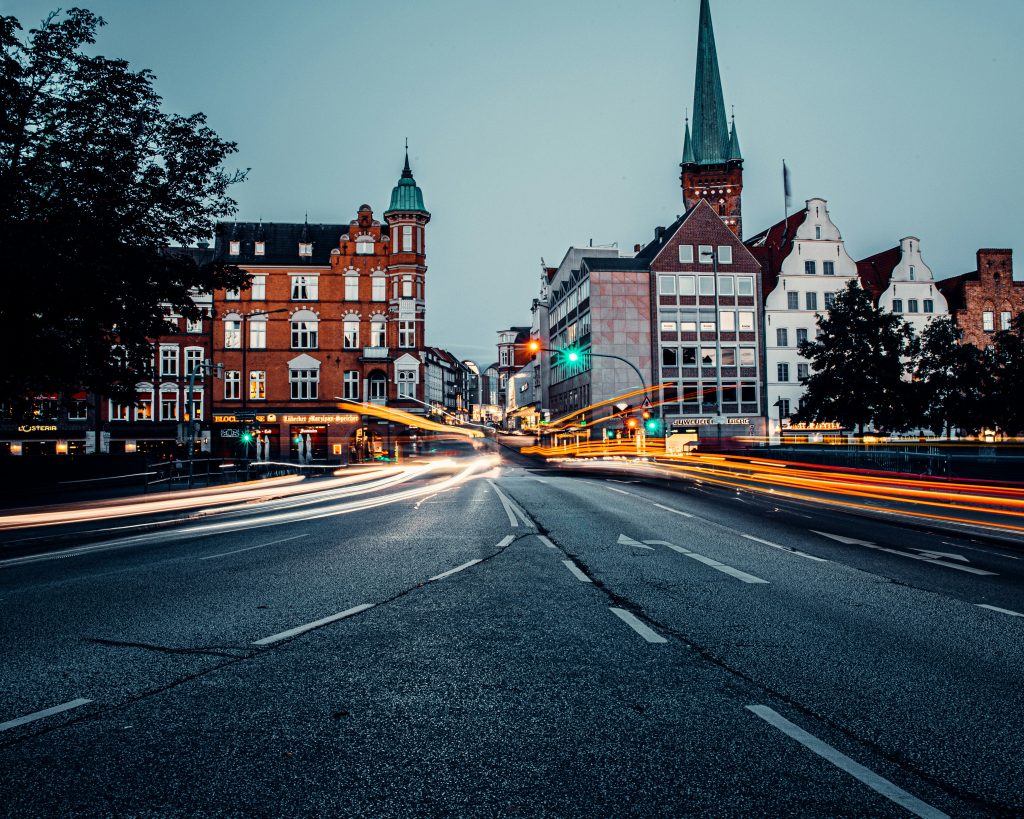
Germany is situated in the heart of Europe, bordered by nine countries, including France, Austria, Poland, and Denmark. The country boasts diverse landscapes, ranging from the picturesque Bavarian Alps in the south to the flat plains of the north and the dense forests in between.
It is renowned for its rich history, strong economy, technological innovation, and cultural contributions. Berlin, the capital, symbolizes the reunification of East and West Germany in 1990. The country’s history encompasses the Holy Roman Empire, Bismarck’s unification, and the challenges of the 20th century.
Boasting a strong economy, Germany leads in manufacturing and technology, epitomized by the “Made in Germany” label. It is a cultural hub with influential figures in classical music, literature, and philosophy. The education system emphasizes science, contributing to the nation’s innovation.
German cuisine reflects regional diversity, and the country’s efficient transportation system blends tradition with modernity. Overall, Germany stands as a dynamic force, balancing a rich heritage with contemporary achievements.
What to Expect When Dating Women in Germany

Dating women in Germany can be a unique experience shaped by the country’s cultural values. German women often appreciate straightforwardness and honesty in relationships. While casual dating is common, Germans tend to approach relationships with seriousness and commitment.
Expect open communication and a direct, no-nonsense attitude. Gender equality is highly valued, so women may express their opinions assertively. Punctuality is crucial, reflecting the general German emphasis on efficiency. Shared responsibilities are common, both in dating and domestic aspects.
Be prepared for intellectual conversations, as Germans appreciate stimulating discussions. Demonstrating respect for individuality and personal space is crucial. Overall, dating in Germany involves a mix of sincerity, mutual respect, and a shared commitment to building meaningful connections.
Understanding Culture and Etiquette When Meeting Women in Germany
Meeting women in Germany involves navigating a culture that values formality, directness, and genuine connection. Dress conservatively and professionally, punctuality is paramount (arrive on time, not early!), and greet with a firm handshake and eye contact. Use titles like Herr or Frau before surnames in formal settings.
Germans prefer directness and in-depth discussions over small talk. Be prepared for frank dialogue and avoid sensitive topics like politics or religion until you know each other better. Humor tends to be subtle and dry, so focus on genuine interest and respect.
Gender equality is generally well-respected in Germany, so treat women with the same courtesy and attentiveness you would anyone else. Chivalry gestures like opening doors are more a sign of politeness than an implication of weakness.
Germans take their time getting to know someone before jumping into romance. Dates are often low-key, like going for coffee or to a museum. Expect conversations about interests and goals, and don’t rush physical intimacy.
Remember, be yourself, be genuine, and show genuine interest in German culture and values. Openness and a willingness to learn will go a long way in building positive relationships with women in Germany.
Cultural Diversity in Germany
Germany is a nation celebrated for its cultural diversity, shaped by a rich history and a contemporary embrace of global influences. The country’s cultural landscape is multifaceted, reflecting regional variations and the impact of immigration.
Traditionally, each region has its distinct customs, dialects, and culinary traditions, contributing to a colorful tapestry of German identity. The influx of guest workers in the post-World War II era and, more recently, a significant immigrant population have further diversified the cultural fabric.
Cities like Berlin exemplify this diversity, boasting vibrant neighborhoods influenced by various ethnicities. German festivals, from Oktoberfest to Karneval, showcase the amalgamation of traditional and modern elements.
The arts, literature, and cinema in Germany also reflect this diversity, with contributions from both native and immigrant voices. As the country continues to evolve, its commitment to inclusivity and cultural exchange positions Germany as a dynamic and culturally rich society.
Sex Culture in Germany
Germany has a relatively open and liberal attitude towards sexuality, marked by a progressive and accepting approach. The country emphasizes sexual education, and discussions about sex are more open and matter-of-fact compared to some other cultures.
Nudity is widely accepted, and public nudity, particularly in saunas and designated areas, is common. Sex education is comprehensive and typically begins early in schools. The legal age of consent is 14, with certain restrictions regarding age differences.
Germany was one of the first countries to legalize and regulate sex work, acknowledging it as a profession. LGBTQ+ rights are well-established, and Germany legalized same-sex marriage in 2017. The annual Christopher Street Day (CSD) parade is a vibrant celebration of LGBTQ+ pride in major cities.
While attitudes towards sex are generally liberal, it’s essential to respect individual boundaries and communicate openly in any intimate relationship, as personal preferences may vary.
Are One Night Stands and Hook Ups Easy in Germany
In Germany, the cultural attitude towards relationships and casual encounters is often more open compared to some other societies. One-night stands and hook-ups are not uncommon, especially in larger cities and among younger generations.
The country’s progressive and liberal approach to sexuality, combined with a culture that values personal freedom and individual choices, contributes to an environment where consensual casual encounters may be more accepted.
Relationships in Germany
Relationship dynamics in Germany reflect a modern and egalitarian approach, emphasizing communication, mutual respect, and personal freedom. Germans typically value direct and open communication in relationships, and honesty is highly regarded. Relationships often evolve from casual dating, and there’s an expectation of clarity about intentions.
Gender equality is a fundamental principle in German culture, and this is reflected in relationships. Partners often share responsibilities both at home and in decision-making processes. The concept of marriage is considered important, but many couples choose to live together and build a life before or instead of formalizing their relationship through marriage.
The dating culture allows for a relatively relaxed and informal approach, and couples often take time to get to know each other before committing to a serious relationship. It’s common for people to have relationships later in life, focusing on personal and career development in their earlier years.
Importantly, personal space and independence are highly valued, and it’s crucial to respect the individuality and autonomy of each partner. While there may be cultural variations based on individual preferences and backgrounds, these general trends highlight the contemporary and egalitarian nature of relationships in Germany.
What is it Like Dating As A Foreigner in Germany?

Dating as a foreigner in Germany can be a positive and enriching experience, given the country’s open-minded and diverse culture. Germans generally appreciate direct communication, so being honest about your intentions and expectations is valued. While the dating scene may be more casual, there’s still a focus on sincerity and mutual respect.
Language might be a factor, but many Germans, especially in urban areas, are proficient in English. Embracing the local culture and showing an interest in German customs can enhance your dating experience.
Gender equality is a cornerstone of German society, and this is reflected in relationships. Being open-minded, culturally sensitive, and respectful of individual boundaries will contribute to positive interactions. Germans often appreciate a balanced approach to decision-making and shared responsibilities in relationships.
Overall, dating as a foreigner in Germany offers the opportunity to explore a culture that values diversity and individual freedom, making it an exciting and potentially rewarding experience.
How to Meet Women in their 20’s and 30’s in Germany
Meeting women in their 20s and 30s in Germany can be approached through various social avenues. Here are some tips:
- Social Events and Meetups: Attend social events, meetups, or gatherings based on your interests. Whether it’s cultural events, sports activities, or hobby-related meetups, these settings provide opportunities to connect with like-minded women.
- Language Classes or Expat Groups: Join language classes or expat groups where you can meet individuals from diverse backgrounds. This can be an excellent way to connect with women who may share your experiences as a newcomer in Germany.
- Online Dating Apps: Utilize popular dating apps to connect with women in your age range. Apps like Tinder, OkCupid, or Bumble are commonly used in Germany, providing a platform to meet people, especially in larger cities.
- Work and Professional Networking: Engage in professional networking events or join industry-related groups. Workplaces and business events can be places to meet women with similar professional interests.
- Social Media and Online Communities: Participate in social media groups or online communities related to your hobbies or interests. Engaging in discussions and activities within these communities may lead to meaningful connections.
- Fitness Classes and Sports Clubs: Attend fitness classes, join sports clubs, or participate in recreational activities. These settings not only promote a healthy lifestyle but also provide opportunities to meet women who share your fitness interests.
- Cultural and Art Events: Explore cultural and art events such as gallery openings, music concerts, or theater performances. These venues attract a diverse audience and offer chances to meet women with similar cultural interests.
- Volunteer Work: Consider volunteering for local initiatives or charities. This not only allows you to give back to the community but also introduces you to women who share a commitment to social causes.
Remember, approach interactions with respect and genuine interest, be open to diverse experiences and adapt your approach based on the specific context and setting.
How to Meet Women in their 40 and 50 + in Germany
Meeting women in their 40s and 50s in Germany involves exploring various social opportunities and being open to different avenues. Here are some suggestions:
- Social Clubs and Community Events: Attend social clubs, community events, or gatherings that cater to older demographics. Look for activities like book clubs, wine tastings, or local community events where people in their 40s and 50s might participate.
- Dance Classes or Social Dance Events: Consider joining dance classes or attending social dance events. Many people in their 40s and 50s enjoy dancing, and these settings can be both enjoyable and conducive to meeting new people.
- Cultural and Artistic Pursuits: Explore cultural and artistic pursuits such as museums, art galleries, or classical music concerts. Attend lectures or workshops related to history, literature, or other cultural topics where mature audiences often gather.
- Outdoor Activities and Hiking Groups: Participate in outdoor activities or join hiking groups. Germany offers beautiful landscapes, and outdoor enthusiasts in their 40s and 50s may frequent such groups.
- Wine or Food Tasting Events: Attend wine or food-tasting events, which often attract individuals who appreciate finer experiences. This can be a relaxed setting to meet women with similar interests.
- Networking Events for Professionals: Attend networking events tailored for professionals. These gatherings could be industry-specific meetups, business conferences, or workshops where you can connect with women in your age range.
- Online Dating and Social Apps: Utilize online dating platforms that cater to an older demographic. Websites and apps like eHarmony, EliteSingles, or SilverSingles are designed for individuals seeking more mature connections.
- Travel Groups or Tours: Join travel groups or tours for singles in their 40s and 50s. These settings provide opportunities to meet like-minded individuals while exploring new places.
- Yoga and Wellness Classes: Consider attending yoga classes or wellness workshops. These activities attract individuals interested in maintaining physical and mental well-being, often including women in their 40s and 50s.
Approach these opportunities with an open mind, be genuine in your interactions, and focus on shared interests. Building connections in a relaxed and comfortable setting is key to meeting women in their 40s and 50s in Germany.
Is it A Good Place to Meet Women?
Yes, Germany can be a good place to meet women. The country’s diverse population, open-minded culture, and a variety of social activities create opportunities for meaningful connections. The dating culture is often casual and straightforward, emphasizing clear communication. German women are frequently well-educated and independent, contributing to a dynamic dating scene.
Engaging in cultural events, festivals, and social activities can enhance your chances of meeting women with diverse backgrounds and interests. While language might be a consideration, many Germans, especially in urban areas, are proficient in English. Overall, being respectful, culturally aware, and open to different experiences can make Germany a favorable place for meeting women.
What are Women Like Compared to Other Countries?

Like individuals of any nationality, German women display a diversity of traits influenced by their cultural context. German women are often characterized by their independence and self-sufficiency, valuing personal achievements, and pursuing education and careers. Known for their direct communication style, they appreciate honesty and transparency, particularly in relationships.
Germany places a strong emphasis on gender equality, and this is reflected in the expectations of German women to be treated as equals in both personal and professional spheres. With a high level of educational attainment, many German women are career-oriented.
The country’s cultural diversity, especially evident in cities like Berlin, contributes to varied individual backgrounds. While some may perceive German women as reserved initially, it’s crucial to recognize the individuality of each person, understanding that stereotypes may not accurately represent every woman and that personal characteristics can be influenced by a variety of factors.
How to Overcome Approach Anxiety with Women
Approach anxiety is a common feeling that many people experience when it comes to approaching someone they’re interested in, including women. Overcoming approach anxiety takes practice and a shift in mindset. Here are some tips to help you overcome approach anxiety with women:
- Recognize that it’s normal: Approach anxiety is something that most people experience at some point. Knowing that it’s a common feeling can help normalize it and reduce the pressure you put on yourself.
- Reframe rejection: Understand that rejection is a natural part of the dating process and doesn’t reflect your self-worth. Instead of seeing it as a personal failure, view it as an opportunity to learn and grow.
- Start small: Begin by engaging in small talk with women in low-pressure situations, such as in line at a coffee shop or while waiting for public transportation. This helps build your confidence and gets you accustomed to initiating conversations.
- Focus on connection, not outcome: Instead of solely focusing on the outcome (getting a phone number or a date), shift your attention to establishing a genuine connection with the person you’re talking to. Approach conversations with curiosity and a genuine interest in getting to know the other person.
- Practice self-care: Taking care of yourself physically and mentally can boost your confidence and reduce anxiety. Prioritize activities that make you feel good, such as exercise, hobbies, and self-reflection.
- Set realistic expectations: Understand that not every interaction will lead to a romantic connection, and that’s okay. Approach conversations to simply have an enjoyable interaction and make a connection, without placing too much pressure on the outcome.
- Positive self-talk: Replace negative self-talk with positive affirmations. Remind yourself of your positive qualities, strengths, and previous successful interactions. This can help build self-confidence and reduce anxiety.
- Seek support: Consider seeking support from friends, dating coaches, or therapists who can provide guidance, encouragement, and advice on overcoming approach anxiety.
Remember, overcoming approach anxiety takes time and practice. Be patient with yourself and celebrate small victories along the way. The more you engage in social interactions, the more comfortable you’ll become with approaching and connecting with women.
List of The Best Cities in Germany
Germany boasts several vibrant and culturally rich cities, each offering a unique blend of history, modernity, and distinctive regional flavors. Here is a list of some of the most notable cities in Germany:
- Berlin: The capital city is a melting pot of history, art, and modernity. Known for its diverse neighborhoods, iconic landmarks like the Brandenburg Gate, and a thriving cultural scene, Berlin is a dynamic and cosmopolitan metropolis.
- Munich (München): Bavaria’s capital is famous for its traditional beer gardens, historic architecture, and cultural attractions. Munich hosts events like Oktoberfest and boasts museums, parks, and a high quality of life.
- Hamburg: As a major port city, Hamburg combines maritime charm with a lively cultural scene. The city features a network of canals, a historic warehouse district, and a range of theaters and music venues.
- Cologne (Köln): Home to the iconic Cologne Cathedral, this city on the Rhine River is known for its vibrant arts scene, historic architecture, and the annual Cologne Carnival.
- Frankfurt: A major financial hub, Frankfurt boasts a modern skyline juxtaposed with historic buildings. The city is also known for its cultural institutions, including museums and theaters.
- Düsseldorf: This city along the Rhine River is renowned for its fashion industry, modern architecture, and lively nightlife. Düsseldorf offers a mix of business and leisure opportunities.
- Stuttgart: Located in southwestern Germany, Stuttgart is known for its automotive industry, cultural institutions, and green spaces. The city is surrounded by vineyards and hills.
- Leipzig: A city with a rich cultural and musical history, Leipzig is famous for its classical music scene, historic sites, and as the hometown of Johann Sebastian Bach.
- Nuremberg (Nürnberg): Nuremberg’s medieval architecture, including the Imperial Castle and Old Town, attracts history enthusiasts. The city is also associated with the post-World War II Nuremberg Trials.
- Heidelberg: Famous for its picturesque Old Town, Heidelberg is a university town with a romantic charm. The Heidelberg Castle and the Neckar River add to its scenic beauty.
These cities represent just a fraction of Germany’s diverse urban landscape, each offering a unique experience for residents and visitors alike.
List of The Best Areas to Stay in Germany
Choosing the best areas to stay in Germany depends on individual preferences, travel purposes, and the type of experience one seek. Here are some popular and diverse areas across the country:
- Mitte (Central) – Berlin: Mitte is the central district in Berlin and is known for its historic landmarks, trendy neighborhoods, and cultural attractions. It’s a great choice for those who want to be at the heart of the city’s vibrant scene.
- Schwabing – Munich: Located in Munich, Schwabing is a lively and artistic district known for its bohemian atmosphere, outdoor cafes, and cultural venues. It’s a popular area for those who enjoy a mix of art, entertainment, and green spaces.
- Altstadt (Old Town) – Cologne: The Altstadt in Cologne is characterized by its historic architecture, including the iconic Cologne Cathedral. Staying in this area provides proximity to the city’s cultural and historical attractions.
- Neustadt – Hamburg: Neustadt is a dynamic district in Hamburg with a mix of modern architecture, shopping streets, and nightlife. It’s close to the harbor and offers a diverse range of entertainment options.
- Sachsenhausen – Frankfurt: Sachsenhausen is known for its historic charm, museums, and vibrant nightlife. Located on the south bank of the River Main, it provides a mix of cultural experiences and entertainment.
- Altstadt (Old Town) – Düsseldorf: Düsseldorf’s Altstadt is famous for its lively atmosphere, featuring bars, restaurants, and historical buildings. It’s a great area for those who enjoy the city’s social scene.
- Vaihingen – Stuttgart: Vaihingen is a district in Stuttgart known for its green spaces, proximity to universities, and cultural venues. It offers a mix of residential areas and recreational options.
- Südvorstadt – Leipzig: Südvorstadt in Leipzig is a vibrant area with a mix of students, artists, and young professionals. It’s known for its diverse cultural scene, cafes, and boutiques.
- Altstadt (Old Town) – Nuremberg: Nuremberg’s Altstadt is characterized by its medieval architecture, including the Imperial Castle and historic market square. Staying in this area provides easy access to the city’s historical sites.
- Altstadt (Old Town) – Heidelberg: Heidelberg’s Altstadt is a picturesque area with cobblestone streets, historic buildings, and the iconic Heidelberg Castle. It’s an ideal location for those seeking a romantic and historic atmosphere.
These suggestions cover a range of preferences, from vibrant urban scenes to historic charm and cultural diversity. When choosing an area to stay in Germany, consider factors such as your interests, preferred activities, and the type of experience you want to have in each city.
The Best Time to Visit Germany
The best time to visit Germany depends on your preferences, interests, and the type of experience you are seeking. Here are some considerations for different seasons:
- Spring (April to June):
- Spring is a lovely time to visit Germany when temperatures start to rise, and flowers bloom.
- Outdoor attractions, parks, and gardens are vibrant and inviting.
- Popular events and festivals, such as the cherry blossom season and spring wine festivals, take place during this time.
- Summer (June to August):
- Summer is a high tourist season with warm temperatures, longer days, and a lively atmosphere.
- Outdoor activities, festivals, and events are abundant.
- It’s an ideal time for hiking in the Alps, exploring cities, and enjoying the numerous outdoor beer gardens.
- Fall (September to November):
- Fall offers milder temperatures, especially in September and early October.
- The fall foliage in the countryside, particularly in regions like Bavaria, is breathtaking.
- Oktoberfest in Munich, one of the world’s largest beer festivals, takes place in September.
- Winter (December to February):
- Winter is magical in Germany, especially during the Christmas season.
- Christmas markets (Weihnachtsmärkte) are a highlight with festive decorations, holiday treats, and crafts.
- Skiing and winter sports are popular in the Bavarian Alps and other mountainous regions.
- Off-Peak Seasons (Late Autumn and Early Spring):
- Late autumn (November) and early spring (March) can be less crowded, and accommodation prices may be lower.
- While the weather can be unpredictable, these months offer a quieter experience for those who prefer a more relaxed atmosphere.
Keep in mind that regional climates can vary, with the northern parts of Germany generally experiencing milder temperatures than the southern regions. It’s also important to consider specific events or festivals you may want to attend when planning your visit.
How to Meet Women in Germany

Meeting women can be an enjoyable and rewarding experience. Here are some tips on how to meet women in different settings:
- Cafes, Bars, and Clubs:
- Be approachable and friendly: Strike up conversations with women by showing genuine interest in their interests or starting a casual conversation about the environment.
- Respect personal space and boundaries: It’s important to be respectful and aware of personal boundaries. If someone shows disinterest or discomfort, gracefully move on.
- Take part in social events: Many cafes, bars, and clubs organize events such as live music performances or trivia nights. Participating in these events can provide opportunities to meet women with shared interests.
- Shopping Centers:
- Engage in conversation: Strike up conversations while browsing in stores or waiting in line. Ask for recommendations or opinions on products, and show genuine interest in their responses.
- Attend workshops or demonstrations: Some shopping centers offer workshops or demonstrations on various topics. Participating in these activities can provide opportunities to meet women with similar interests.
- Online Dating Sites and Apps:
- Create an authentic and appealing profile: Use clear and genuine photos and write an engaging bio that reflects your personality and interests.
- Initiate conversations: When interacting with women online, make sure to read their profiles and personalize your messages. Ask open-ended questions to spark meaningful conversations.
- Arrange in-person meetings: If you connect well with someone online, suggest meeting in person for a coffee or another activity you both enjoy.
- Outdoor Activities:
- Join group activities: Participate in group outdoor activities such as hiking, cycling, or sports clubs. This allows you to meet women who share similar interests and enjoy outdoor activities.
- Be friendly and approachable: Strike up conversations during outdoor activities by showing interest in the activity or seeking advice. Engage in light-hearted conversations and let connections happen naturally.
- Social Events:
- Attend social events and gatherings: Look for social events in your community, such as parties, cultural festivals, or networking events. These provide opportunities to meet new people, including women.
- Be sociable and confident: Introduce yourself to new people, engage in conversations, and show interest in others. Be confident, approachable, and respectful in your interactions.
- Universities:
- Participate in university events and clubs: Join clubs, organizations, or events that align with your interests. This allows you to meet women who share similar academic or extracurricular pursuits.
- Attend social gatherings: Make an effort to attend social gatherings, parties, or study groups. Engage in conversations and build connections naturally.
Remember, it’s important to approach interactions with respect, authenticity, and genuine interest. Building connections takes time, so be patient and open to the possibilities that arise. Additionally, consent and personal boundaries should always be respected in any social interaction.
Social Events for Meeting Women in Germany
Germany offers a variety of social events where you can meet women, build connections, and enjoy shared interests. Here are some types of social events to consider:
- Cultural Festivals: Attend cultural festivals celebrating music, art, or literature. Cities like Berlin and Leipzig host numerous events throughout the year, providing opportunities to meet women who share cultural interests.
- Wine Festivals: Germany is known for its wine festivals, particularly in regions like the Rhine and Moselle valleys. These events are not only enjoyable for wine enthusiasts but also create a relaxed environment for socializing.
- Street Food Markets: Visit street food markets in cities like Berlin and Hamburg. These events often feature diverse culinary options and provide a casual setting for meeting people.
- Concerts and Live Music Shows: Attend concerts and live music shows. Germany has a vibrant music scene, and these events can be great places to connect with women who share your musical tastes.
- Language Exchange Meetups: Join language exchange meetups, especially if you’re looking to improve your German or meet people from different cultural backgrounds. These events often attract individuals open to socializing.
- Tech and Innovation Events: Attend tech and innovation events if you’re interested in networking and meeting women in the technology and business sectors. Cities like Berlin and Munich host various conferences and meetups.
- Outdoor Activities and Meetup Groups: Participate in outdoor activities such as hiking, biking, or group sports. Meetup groups often organize outdoor events, providing a chance to connect with women who enjoy an active lifestyle.
- Art Exhibitions and Gallery Openings: Explore art exhibitions and gallery openings. Cities like Berlin and Cologne have thriving art scenes, and these events attract people with an interest in the arts.
- Book Clubs and Literary Events: Join book clubs or attend literary events. Many cities have bookstores or cultural spaces that host readings and discussions, offering opportunities to connect with women who enjoy literature.
- Community Volunteering: Engage in community volunteering. Participating in local initiatives allows you to give back to the community while meeting women who share a commitment to social causes.
Remember to approach these events with genuine interest, be open to new experiences, and be respectful of others’ boundaries. Socializing in diverse settings can lead to meaningful connections and potentially help you meet women with shared interests in Germany.
It’s also worth checking out Meetup.com, which is a great way to find social events in your area. Meetup.com is a great way to connect with like-minded people who share your interests and passions, and it’s a great way to meet new people.
What Do People Do in The Day Time in Germany
During the daytime in Germany, people engage in a variety of activities depending on their individual preferences, lifestyle, and the region they are in. Here are some common daytime activities:
- Work and Employment: Like in many countries, a significant portion of the population is engaged in work and professional activities during the daytime. Germany is known for its strong work ethic and efficiency.
- Educational Pursuits: Students attend schools, universities, and vocational training centers during the daytime. Germany places a high value on education, and people of various ages may be involved in learning activities.
- Outdoor Recreation: Many Germans take advantage of the beautiful landscapes and green spaces. Parks, hiking trails, and recreational areas are popular for activities like jogging, cycling, or simply enjoying nature.
- Cafés and Restaurants: German culture embraces the tradition of afternoon coffee breaks, and many people gather at cafés for a leisurely cup of coffee and conversation. Lunchtime is also a time when restaurants and eateries are bustling.
- Shopping and Markets: Shopping is a common daytime activity, with people visiting local markets, shopping districts, and malls. Fresh food markets are especially popular for purchasing groceries.
- Cultural and Historical Exploration: Germans often take advantage of the daytime to visit museums, historical sites, and cultural attractions. Cities are rich in cultural offerings, including art galleries, theaters, and architectural landmarks.
- Socializing and Meetups: Daytime socializing occurs in various settings, from meeting friends for lunch to participating in meetup groups or networking events. Social activities may include sports, book clubs, or language exchange meetups.
- Professional and Networking Events: Many professionals attend conferences, seminars, and networking events during the daytime to enhance their skills and build connections in their respective fields.
- Fitness and Sports: Fitness is a priority for many Germans, and daytime hours see people heading to gyms, fitness classes, or participating in sports activities, whether organized or casual.
- Personal Hobbies: Germans often dedicate time to personal hobbies during the daytime. This can include activities such as gardening, crafting, or playing musical instruments.
It’s important to note that the specifics of what people do during the daytime can vary based on individual lifestyles, professions, and regional cultural differences. The daytime in Germany is generally filled with a mix of work, leisure, and cultural pursuits, reflecting a well-balanced and active lifestyle.
Day Time Tips for Meeting Women
Here are some tips for a successful day game:
- Be Approachable: Dress well and take care of your personal hygiene. An attractive, put-together appearance can be inviting and can show that you respect yourself and those you interact with.
- Location Matters: Choose locations where people are more likely to be open to socializing. Places like parks, coffee shops, shopping malls, or social events can be good options.
- Respect Her Time: If she appears to be in a hurry or busy with something, it might not be the best time to approach her.
- Approach Confidently, but Respectfully: Confidence can be attractive, but arrogance is not. Show respect and genuine interest in her as an individual.
- Be Genuine: Genuine compliments are more effective than canned lines. Comment on something specific you noticed about her.
- Keep it Casual: Unlike the nighttime setting, a casual and friendly approach tends to work better during the day. You can start the conversation about something situational or ask for her opinion on something.
- Pay Attention to Non-Verbal Cues: If she appears uncomfortable or uninterested, it’s crucial to back off respectfully. Body language can provide important clues about whether she’s interested or not.
- Have a Reason to Connect Again: If the conversation goes well, you might want to see each other again. It could be a common interest or an event that you both want to attend.
- Get Her Contact Information: If she seems comfortable and interested, ask for her phone number, social media contact, or whichever contact method seems most appropriate and comfortable for both of you.
Remember, every person is different, so what works for one woman may not work for another. The most important thing is to be respectful, genuine, and attentive to her comfort and responses.
What Do People Do at Night Time in Germany
Nighttime in Germany offers a vibrant and diverse array of activities for residents and visitors alike. Here are some common things people do during the nighttime in Germany:
- Dining Out: Germans often enjoy dining out at restaurants during the evening. From traditional German cuisine to international options, cities offer a variety of culinary experiences. Dinner gatherings with friends and family are common.
- Nightlife and Bars: Germany has a lively nightlife scene, especially in major cities like Berlin, Hamburg, and Munich. Bars, pubs, and clubs cater to various tastes, offering live music, DJs, and themed events.
- Theater and Performing Arts: Attendees can enjoy theatrical performances, concerts, ballets, and operas during the evening. Germany has a rich cultural scene with numerous theaters and performance venues.
- Night Markets: Some cities host night markets, providing an opportunity for people to explore local crafts, food stalls, and entertainment after regular business hours.
- Cultural Events and Festivals: Special cultural events and festivals often take place in the evening. These may include art exhibitions, film festivals, or cultural celebrations that extend into the night.
- Night Walks and Illuminated Landmarks: Cities are beautifully illuminated at night, creating a picturesque backdrop for evening walks. Many historical landmarks and architectural gems are especially enchanting after dark.
- Late Shopping: Some areas and cities have late-night shopping options, allowing people to shop for groceries, clothing, or other necessities after regular business hours.
- Late-Night Cafés: Late-night cafés or 24-hour establishments offer a cozy atmosphere for those looking to enjoy a cup of coffee, dessert, or a quiet place to work or socialize.
- Live Music and Concerts: Concert venues and clubs often host live music events in the evenings, featuring a variety of genres. This is an excellent way for music enthusiasts to experience local and international talent.
- Nighttime Tours: Some cities offer nighttime guided tours, providing a unique perspective on historical sites, haunted locations, or hidden gems that take on a different ambiance after dark.
- Public Events and Demonstrations: Occasionally, public events or demonstrations may take place in the evening, reflecting social or political interests.
- Socializing and Gatherings: Germans often socialize with friends, either at home or in social spaces, during the evening. It’s common to meet for a drink, play board games, or attend private gatherings.
The specific activities people engage in during the nighttime can vary based on individual preferences, regional differences, and the nature of events happening at that time. Overall, Germany offers a dynamic and multifaceted nightlife catering to a wide range of interests.
Night Time Tips for Meeting Women
Meeting women at night, whether in bars, clubs, parties, or other social events, can be a lot of fun. However, it’s important to remember to always be respectful and considerate. Here are some tips to help you meet women during the night:
- Dress Well: Appearances aren’t everything, but dressing well can show that you take care of yourself and respect the people you’re interacting with. Make sure your outfit is suitable for the venue you’re going to.
- Body Language: Stand up straight, make eye contact, and smile. Positive body language can help make you more approachable.
- Be Confident: Confidence can be attractive, but remember, there’s a fine line between confidence and arrogance. Be self-assured, not cocky.
- Approach Respectfully: Always approach women respectfully and be aware of their comfort level. If she seems uninterested or asks you to leave, respect her wishes.
- Initiate Conversation: Start a conversation about something you both have in common. It could be the venue, the music, or the event you’re at. Try to keep the conversation light and fun.
- Be Genuine: Authenticity is key. Show genuine interest in her, listen to what she’s saying, and respond thoughtfully.
- Don’t Rush: Take your time and let the conversation flow naturally. Rushing things can come off as insincere or pushy.
- Know When to Move On: If she’s not interested, it’s important to recognize that and move on. Not every interaction will lead to a deeper connection, and that’s okay.
- Ask for Her Number: If you’ve had a good conversation and she seems interested, ask for her number. Make sure to do this politely and respectfully.
Remember, each person is different, so these tips might not work in every situation. The most important thing is to be respectful and considerate of her feelings and comfort. If you’re in a foreign country, it’s also important to be aware of local customs and cultural norms.
What’s The Music Scene Like in Germany
Germany has a rich and diverse music scene that has significantly influenced global musical trends. Here are some key aspects of the music scene in Germany:
- Classical Music Heritage: Germany has a deep-rooted classical music heritage, with renowned composers like Bach, Beethoven, and Mozart having lived and composed in German-speaking territories. The country is home to prestigious orchestras, opera houses, and classical music festivals.
- Electronic Music: Germany is a global hub for electronic music. Berlin, in particular, is considered one of the world’s electronic music capitals. The city’s nightlife, techno clubs, and electronic music festivals draw enthusiasts from around the globe.
- Rock and Metal: Germany has a strong rock and metal scene. Bands such as Rammstein, Scorpions, and Accept have achieved international acclaim. The Wacken Open Air festival is one of the largest metal festivals globally, attracting fans from various countries.
- Pop and Indie: German pop music has produced popular artists like Nena and Kraftwerk. The indie music scene is vibrant, with emerging artists and bands contributing to a diverse musical landscape.
- Hip-Hop and Rap: The German hip-hop and rap scene has gained prominence. Artists like Bushido, Kool Savas, and Cro have made significant contributions. German rap often addresses social and political issues, reflecting the genre’s roots.
- Punk and Alternative: Germany has a robust punk and alternative scene, with influential bands such as Die Toten Hosen and Die Ärzte. Punk rock festivals and underground venues contribute to the alternative music culture.
- Folk and Traditional Music: Traditional German folk music, with its distinctive accordion and brass sounds, is still celebrated, especially during festivals and cultural events. Folk music often merges with contemporary genres in modern interpretations.
- World Music and Fusion: Germany’s multicultural environment influences a thriving world music scene. Musicians blend traditional German sounds with influences from around the world, creating innovative fusions.
- Music Festivals: Germany hosts numerous music festivals covering a range of genres, including rock, electronic, classical, and indie. Festivals such as Rock am Ring, Fusion Festival, and Bachfest Leipzig attract diverse audiences.
- Music Education: Germany places a high value on music education. Many cities have music schools, conservatories, and institutions that nurture young talent, contributing to the country’s musical legacy.
- Record Labels and Industry: Germany is home to influential record labels and a robust music industry. Labels like Universal Music Germany and independent labels contribute to the promotion and distribution of German and international music.
The music scene in Germany reflects a dynamic mix of traditions and contemporary trends, making it a significant player in the global music landscape. Whether you’re a fan of classical, electronic, rock, or any other genre, Germany offers a diverse and exciting musical experience.
Tips for Meeting Women in Germany

When it comes to meeting women, here are some general tips that can be helpful:
- Be confident: Confidence is attractive and can make a positive impression. Work on building your self-esteem and approach interactions with a positive mindset.
- Respect and listen: Treat women with respect, actively listen to what they have to say, and show genuine interest in getting to know them. Respect their boundaries and personal space.
- Be yourself: Authenticity is key. Be true to yourself and present your genuine personality. Trying to be someone you’re not is not sustainable in the long run.
- Expand your social circle: Engage in activities and join communities where you can meet new people, including women. This could be through hobbies, volunteering, sports clubs, or other social events.
- Improve your communication skills: Effective communication is essential. Practice active listening, maintain good eye contact, and engage in meaningful conversations. Show curiosity and ask open-ended questions to foster deeper connections.
- Approach with a friendly attitude: When approaching women, be friendly, approachable, and considerate of their comfort. Be mindful of non-verbal cues and respect their response. Not every interaction will lead to a romantic connection, and that’s okay.
- Take care of yourself: Prioritize self-care and personal development. Invest in your physical and mental well-being, maintain good hygiene, and dress in a way that makes you feel confident. Taking care of yourself shows that you value yourself and can attract others.
- Online dating: Utilize online dating platforms and apps to expand your potential dating pool. Create an appealing and genuine profile, engage in meaningful conversations, and be respectful when interacting online.
Remember, every individual is unique, and there is no one-size-fits-all approach to meeting women. Building connections takes time and effort, so be patient and open to different experiences. Focus on building meaningful connections and getting to know women as individuals rather than solely pursuing romantic goals.
List of Conversation Starters for Meeting Women at Night Time in Germany
- What brings you out tonight?
- Are you from around here?
- What type of music do you like?
- Do you come to this club often?
- What are your favorite things to do in Germany?
- Have you traveled much in the country?
- What’s your favorite food or drink here?
When approaching women at night time, it’s important to be respectful, confident, and considerate. Here are some conversation starters that can help you initiate a meaningful interaction:
- Observational opener: Comment on something specific in your surroundings to break the ice. For example, “The live music here is fantastic. Have you heard this band before?”
- Shared interest: If you’re at a specific event or venue, talk about your common interest. For instance, “I noticed you’re wearing a [sports team] hat. Are you a fan? I love watching their games.”
- Compliment: Offer a genuine compliment that shows appreciation without being overly forward. For example, “You have a great sense of style. I love your outfit.”
- Question about travel or experiences: Ask about her travel experiences or adventures. This can lead to interesting stories and shared experiences. For instance, “Have you traveled to any other countries? What was your favorite place?”
- Light-hearted humor: Share a funny observation or make a playful comment to bring a smile to her face. For example, “I have to admit, I’m terrible at dancing. Mind giving me a few pointers?”
- Current events or pop culture: Discuss a recent news story, a popular movie, or a trending topic to find common ground. For example, “Did you catch that new movie everyone’s talking about? I’ve heard mixed reviews.”
Remember, the goal is to establish a genuine connection and engage in meaningful conversation. Be attentive, listen actively, and show interest in what she has to say. Respect her boundaries and be mindful of her comfort level throughout the interaction.
List of Conversation Starters for Meeting Women at Day Time in Germany
- What do you like to do for fun?
- What type of activities do you enjoy doing in Germany?
- What is your favorite place to visit in the country?
- Are there any special events coming up that you’re excited about?
- What type of music do you like to listen to?
- Do you have any hobbies or passions that you enjoy pursuing?
- What’s your favorite restaurant or cafe in the area?
When approaching women during the day, it’s important to be respectful, friendly, and approachable. Here are some conversation starters that can help you strike up a conversation:
- Compliment: Offer a genuine compliment about something you notice and appreciate. It could be her style, a piece of jewelry, or her smile. For example, “I couldn’t help but notice your beautiful necklace. It’s quite unique. Where did you find it?”
- Shared surroundings: Observe your current location or situation. It can be a comment about the weather, a nearby event, or something interesting happening around you. For example, “This park is so peaceful. Do you come here often?”
- Ask for recommendations or opinions: Seek her opinion or advice about something related to the location or topic of conversation. It could be a restaurant recommendation, a book or movie suggestion, or thoughts on a local attraction. For example, “I’m new to this area. Do you have any favorite coffee shops around here?”
- Interest-based opener: If you notice something that indicates a shared interest, use that as a conversation starter. It could be a book she’s reading, a hobby she’s engaged in, or a bag with a logo from a favorite sports team. For example, “I noticed you’re reading [book title]. I’m a big fan of that author. What do you think of the book so far?”
- Genuine curiosity: Ask open-ended questions about her interests, hobbies, or experiences. Show a genuine interest in getting to know her. For example, “What do you enjoy doing in your free time? Any hobbies or activities that you’re passionate about?”
- Light-hearted humor: Inject some humor into the conversation to create a relaxed and enjoyable atmosphere. It could be a playful comment or a witty observation about something in your surroundings. For example, if you’re both standing in a long line, you could say, “I hope the line starts moving soon. We might need to bring sleeping bags and set up camp here!”
List of Openers for Meeting Women Online in Germany
When it comes to online dating, starting a conversation with an engaging opener can help grab someone’s attention. Here are some openers you can use for online dating:
- Personalized Opener: Reference something from the person’s profile that caught your interest or stood out to you. For example, “I noticed you’re into hiking. Do you have any favorite trails in the area?”
- Question Opener: Ask an open-ended question related to their interests or preferences. For instance, “If you could have dinner with any historical figure, who would it be and why?”
- Shared Experience Opener: Find a shared experience or interest based on their profile and use it as an opener. For example, “I see you enjoy photography. Have you ever taken any interesting shots while traveling?”
- Playful Opener: Inject some playfulness into your opening message. For instance, “If you were stranded on a deserted island and could only bring three things, what would they be?”
- Creative Opener: Get creative with your opener by using a fun fact or a unique icebreaker. For example, “Did you know that statistically, people with more birthdays tend to live longer? So, I guess you’re on the right track!”
How to Approach Women in Germany

Approaching women in Germany, as in any cultural context, requires respect, genuine interest, and an understanding of social norms. Here are some tips for approaching women in Germany:
- Be Respectful: Respect is paramount. Approach women with politeness and ensure that your interactions are consensual. Pay attention to non-verbal cues, and if someone seems uninterested or uncomfortable, respect their boundaries.
- Direct Communication: Germans generally appreciate direct communication. Be clear and straightforward about your intentions, whether it’s initiating a conversation, expressing interest, or asking for contact information. Avoid ambiguous or overly subtle approaches.
- Mind Personal Space: Germans value personal space. While being friendly, be mindful of physical boundaries. Give people space and gauge their comfort level with proximity during conversations.
- Learn Some German Phrases: While many Germans speak English, making an effort to learn some basic German phrases can be appreciated. It shows respect for the local culture and may enhance your communication.
- Choose Appropriate Settings: Consider the context in which you approach someone. Social events, meetups, or group activities are often more conducive to casual conversations than approaching someone in a solitary or private setting.
- Common Interests: Initiate conversations based on common interests. If you’re at an event, party, or meetup related to a shared hobby or activity, it provides a natural and comfortable starting point for conversation.
- Be Yourself: Authenticity is key. Be genuine to yourself. Pretending to be someone you’re not can be transparent, and authenticity is often appreciated in social interactions.
- Sense of Humor: Germans appreciate a good sense of humor. However, cultural nuances may affect what jokes are considered appropriate. Use humor in a lighthearted and inclusive manner.
- Offer Compliments with Caution: Compliments can be well-received, but be sincere and avoid overly personal or exaggerated remarks. Genuine compliments related to someone’s personality, appearance, or achievements are generally safer.
- Understand Individual Preferences: Remember that individuals have different comfort levels and preferences. Some may be more open to casual conversations, while others may prefer a slower and more reserved approach. Be attentive to cues and adjust your approach accordingly.
Approaching women in Germany, or anywhere else, is about mutual respect and creating connections based on shared interests and genuine interactions. Always be attuned to the other person’s comfort level and respond accordingly. If someone expresses disinterest, gracefully accept their decision and move on.
List of The Best Dating Apps to Meet Women in Germany
- Tinder – Casual and serious dating
- Bumble – Casual, friends and serious dating
- Hinge – Casual and serious dating
- Match – More serious dating
- Happn – Casual dating
- Eharmony – Serious dating
- Friendfinder – Friends
- Adultfriendfinder – Casual only
List of The Best Universities for Meeting Women in Germany
Here are some well-known universities in Germany with vibrant student life and diverse social opportunities:
- Ludwig Maximilian University of Munich (LMU Munich): Located in Munich, LMU Munich is one of Germany’s oldest universities with a diverse student body and a lively city atmosphere.
- Humboldt University of Berlin: Situated in the heart of Berlin, Humboldt University is known for its strong academic programs and is surrounded by the vibrant culture of the city.
- Free University of Berlin (FU Berlin): Another prestigious university in Berlin, FU Berlin, is renowned for its research contributions and offers a dynamic environment for students.
- University of Heidelberg: With a rich history, the University of Heidelberg is located in a picturesque town, providing a unique blend of academic excellence and a charming setting.
- University of Freiburg: Nestled in the scenic Black Forest region, the University of Freiburg offers a mix of high-quality education and a relaxed atmosphere.
- Technical University of Munich (TUM): TUM is a leading technical university with campuses in Munich, Garching, and Freising-Weihenstephan, providing a diverse and innovative environment.
- University of Mannheim: Known for its strong emphasis on business and economics, the University of Mannheim is located in a city that fosters cultural diversity and social activities.
- RWTH Aachen University: As a technical university in Aachen, RWTH Aachen has a dynamic student community and is situated in a city with a rich history.
- University of Hamburg: Located in Germany’s second-largest city, the University of Hamburg offers a diverse and cosmopolitan environment with various cultural and social opportunities.
- Leipzig University: Leipzig University, situated in the cultural hub of Leipzig, provides a unique blend of academic excellence and a thriving arts and music scene.
Remember that university life is primarily about academics, and meeting people, including women, happens naturally through shared courses, extracurricular activities, and social events. Focus on choosing a university that aligns with your academic and personal interests, and opportunities for socializing will naturally present themselves as part of the university experience.
List of The Best Shopping Malls for Meeting Women in Germany
While shopping malls are primarily designed for retail experiences rather than socializing, some larger shopping complexes in Germany offer a mix of shopping, dining, and entertainment venues that can create opportunities for meeting people. Here are some notable shopping malls in Germany:
- CentrO Oberhausen – Oberhausen: One of Europe’s largest shopping and leisure centers, CentrO in Oberhausen offers a wide range of shops, restaurants, and entertainment options.
- Europa Passage – Hamburg: Situated in the heart of Hamburg, Europa Passage is a modern shopping mall with a variety of fashion, lifestyle, and dining choices.
- KaDeWe – Berlin: KaDeWe, short for Kaufhaus des Westens, is a renowned department store in Berlin. While not a traditional mall, it offers upscale shopping and attracts a diverse clientele.
- Zeilgalerie – Frankfurt: Located on Frankfurt’s famous shopping street Zeil, Zeilgalerie is a shopping and entertainment complex with a mix of stores, restaurants, and cultural venues.
- Münster Arkaden – Münster: Münster Arkaden is a modern shopping center in the city of Münster, offering a variety of shops and cafes.
- Kö-Galerie – Düsseldorf: Situated on Düsseldorf’s prestigious shopping street Königsallee, Kö-Galerie is a stylish shopping destination with high-end retailers.
- MyZeil – Frankfurt: As part of the Zeil shopping district, MyZeil is a striking architectural structure housing numerous shops, restaurants, and a food court.
- Potsdamer Platz Arkaden – Berlin: Located at Potsdamer Platz, this shopping mall in Berlin combines retail with entertainment options, making it a popular destination.
- Aquis Plaza – Aachen: Aquis Plaza in Aachen is a modern shopping center featuring a variety of shops, restaurants, and a cinema.
- Limbecker Platz – Essen: Limbecker Platz is one of the largest shopping centers in Germany, offering a comprehensive shopping experience in the city of Essen.
While these shopping malls provide diverse retail and dining options, it’s important to approach social interactions with respect and awareness. Striking up conversations in public places, including malls, requires sensitivity to personal boundaries. Additionally, consider participating in activities or events outside of shopping venues to meet people with shared interests.
List of The Busiest Streets in Germany
Germany is home to numerous vibrant and bustling streets that attract locals and tourists alike. Here are some of the busiest streets in various cities across the country:
- Königsallee (Kö) – Düsseldorf: Königsallee is a prestigious shopping street in Düsseldorf, known for its luxury boutiques, designer stores, and a canal running through its center.
- Zeil – Frankfurt: Zeil is one of Frankfurt’s main shopping streets, featuring department stores, international brands, and a lively atmosphere. It’s a popular destination for shopping and dining.
- Kurfürstendamm (Ku’damm) – Berlin: Kurfürstendamm, often referred to as Ku’damm, is one of Berlin’s most famous avenues, lined with shops, theaters, and restaurants. It’s a key location for both locals and tourists.
- Mönckebergstraße – Hamburg: Mönckebergstraße is a major shopping street in the heart of Hamburg, offering a wide range of retail options, department stores, and cafes.
- Marienplatz – Munich: While not a traditional street, Marienplatz is a central square in Munich surrounded by shops, restaurants, and historical buildings. It serves as a focal point for both residents and visitors.
- Schildergasse – Cologne: Schildergasse is Cologne’s main shopping street, featuring a mix of international brands, department stores, and local boutiques. It attracts a large number of shoppers daily.
- Bahnhofstrasse – Zurich (Switzerland) – Near the German border: Bahnhofstrasse in Zurich is one of the world’s most exclusive shopping streets, known for its luxury brands, high-end boutiques, and a lively atmosphere.
- Leopoldstraße – Munich: Leopoldstraße is a popular street in Munich, particularly known for its cafes, shops, and cultural attractions. It’s a lively area, especially during events and festivals.
These streets represent just a fraction of the bustling urban life in Germany. Each city has its own unique streets and districts that cater to various interests, from shopping and dining to cultural experiences.
List of Popular Cafes in Germany
Germany is known for its vibrant café culture, with cozy coffee houses and bakeries scattered throughout cities and towns. Here are some popular cafes in different regions of Germany:
- Café Kranzler – Berlin: Located on Kurfürstendamm, Café Kranzler is an iconic café in Berlin known for its historic charm and views of the city. It has been a meeting point for locals and visitors for decades.
- Schwarzenstein Café – Frankfurt: Schwarzenstein Café in Frankfurt is renowned for its exquisite pastries and cakes. It offers a cozy atmosphere in a stylish setting.
- Café Reichard – Cologne: Situated near the Cologne Cathedral, Café Reichard is a historic café with a charming interior. It’s an ideal spot for enjoying coffee and traditional German cakes.
- Elbgold Kaffee – Hamburg: Elbgold Kaffee is a popular specialty coffee roaster and café in Hamburg. It focuses on high-quality coffee and a trendy atmosphere.
- Vits der Kaffee – Munich: Vits der Kaffee is a classic coffee house in Munich, known for its traditional coffee and cake offerings. It has a nostalgic ambiance.
- Balzac Coffee – Hamburg (Multiple Locations): Balzac Coffee is a chain with multiple locations across Germany, including Hamburg. It’s recognized for its commitment to fair trade coffee and a cozy café setting.
- Sarotti-Höfe Café – Berlin: Situated in the historic Sarotti-Höfe in Berlin, this café offers a charming courtyard setting. It’s a hidden gem known for its coffee and desserts.
- Café Extrablatt – Multiple Cities: Café Extrablatt is a chain with locations in various German cities. It’s a casual café offering a diverse menu, including breakfast, lunch, and coffee.
- Café Luitpold – Munich: Café Luitpold is a traditional café in Munich known for its elegant interior and classic coffee and pastry offerings. It has been serving customers since the late 19th century.
These cafes represent a mix of traditional and modern establishments, each contributing to Germany’s rich café culture. Whether you’re looking for a historic coffee house or a trendy specialty coffee spot, Germany has a variety of options to satisfy your caffeine cravings.
List of The Best Restaurants for Meeting Women in Germany
When choosing a restaurant to meet people, it’s essential to consider places with a welcoming atmosphere, diverse menus, and social settings. Keep in mind that the primary focus of these establishments is dining, so approach interactions with respect and consideration. Here are some restaurants in Germany known for their ambiance and potential for socializing:
- Katz Orange – Berlin: Located in Mitte, Katz Orange is known for its trendy atmosphere and menu featuring modern European cuisine. The communal tables create a sociable setting.
- L’Osteria – Multiple Cities: L’Osteria is a chain with locations across Germany. It’s known for its casual and friendly atmosphere, large portions, and a diverse menu that includes pizza and pasta.
- Die Mühle – Hamburg: Located near the Elbe River, Die Mühle offers a mix of German and international cuisine. The spacious outdoor terrace and river views provide a relaxed setting.
- Viktualienmarkt – Munich: While not a traditional restaurant, Viktualienmarkt in Munich is a popular food market with numerous stands offering a variety of international and local dishes. It’s a vibrant and social atmosphere.
- Steinheil 16 (Munich): Casual restaurant specializing in schnitzel plates & fried sides, plus beer, wine & cocktails.
- Restaurant Facil (Berlin): Acclaimed fine-dining spot with large glass windows and minimalist decor, serving a seasonal menu. It has a rating of 4.8 stars on Google Maps.
- Restaurant Bieberbau: Innovative, seasonal plates highlighting spices & herbs, plus wine pairings, in an 1894 building.
- Hackethal’s (Cologne): Robust German classics like wurst, sauerkraut & dumplings in a lively pub brewing its beer. It has a rating of 4.7 stars on Google Maps.
- Ratskeller München (Munich): Large cellar restaurant dating from the 19th century, with regional dishes & classic decor.
Remember that the key to meeting people in these settings is to be respectful, approach conversations naturally, and be mindful of others’ comfort levels. Additionally, consider joining social events or activities outside of restaurants to expand your opportunities for meeting women in Germany.
List of The Best Cities for Festivals for Meeting Women in Germany
Germany is known for hosting a variety of festivals throughout the year, providing ample opportunities for socializing and meeting new people. Here are some cities in Germany that are renowned for their festivals:
- Berlin: Berlin is a cultural hub with numerous festivals year-round. The Berlinale (Berlin International Film Festival) and the Karneval der Kulturen (Carnival of Cultures) are notable events that attract diverse crowds.
- Munich: Munich hosts the world-famous Oktoberfest, one of the largest beer festivals globally. Additionally, the Tollwood Festival, featuring music, theater, and art, draws large crowds.
- Cologne: Cologne is famous for its vibrant Karneval (Carnival) celebrations, attracting millions of people each year. The city also hosts the Cologne Music Week and Cologne Comedy Festival.
- Hamburg: Hamburg hosts the Reeperbahn Festival, one of the largest club festivals in Europe, showcasing music and arts. The Hamburger Dom, a large funfair, is another popular event.
- Dresden: Dresden is known for the Dixieland Festival, a jazz festival that transforms the city into a lively celebration. The Striezelmarkt, one of Germany’s oldest Christmas markets, is also held in Dresden.
- Nuremberg: Nuremberg hosts the Christkindlesmarkt, a famous Christmas market with a centuries-old tradition. The Bardentreffen, a music festival featuring diverse genres, is also held in the city.
- Leipzig: Leipzig is home to the Leipzig Book Fair and the Leipzig Bach Festival, attracting literature enthusiasts and classical music lovers. The Wave-Gotik-Treffen is a darkwave and gothic music festival held annually.
- Stuttgart: Stuttgart hosts the Cannstatter Volksfest, the second-largest beer festival in Germany. The Sommerfest Stuttgart and the Stuttgart Wine Village are also popular events.
- Düsseldorf: Düsseldorf hosts Japan Day, celebrating Japanese culture, and the Düsseldorf Festival, featuring performing arts. The city’s carnival season is also lively and sociable.
- Freiburg: Freiburg hosts the Zelt-Musik-Festival, an open-air music festival attracting diverse audiences. The Freiburger Weinfest is a wine festival celebrated in the city.
Attending festivals in these cities provides not only opportunities to enjoy cultural, music, and food events but also chances to meet new people, including women. Festivals create a festive and communal atmosphere, making them conducive to socializing and forming connections.
List of Best Bars and Pubs in Germany
Germany is known for its vibrant and diverse nightlife, with a multitude of bars and pubs catering to different tastes. Here are some popular bars and pubs in various German cities:
- Berghain (Berlin): A world-famous techno club with a unique atmosphere.
- Kranzler Eck (Berlin): Step back in time at this historic bar, established in 1929. Its elegant Art Deco interior, extensive cocktail menu, and literary history (frequented by Marlene Dietrich and Alfred Döblin) create a sophisticated ambiance.
- Mụnchener Freiheit (Munich): Immerse yourself in a historic atmosphere at this art nouveau bar established in 1896. Renowned for its bohemian charm, extensive absinthe selection, and live jazz performances, it’s a Munich must-visit.
- Goldene Bar (Nuremberg): Indulge in luxury at this opulent cocktail bar housed within the historic Hotel Le Méridien. With its crystal chandeliers, velvet seating, and expertly crafted drinks, it’s a perfect spot for a special occasion.
- Früh am Dom (Cologne): Experience authentic Kölsch culture at this traditional brewery and pub. Enjoy a refreshing Kölsch beer, hearty German fare, and a lively atmosphere amidst historic surroundings.
- Bratwurst Röslein (Nuremberg): A historic beer garden and restaurant with a large beer cellar.
These recommendations provide a mix of traditional beer halls, trendy cocktail bars, and lively pubs, showcasing the diversity of Germany’s nightlife scene. Keep in mind that the popularity and atmosphere of these venues can vary, so it’s always a good idea to check current reviews and local recommendations.
Prices and What Time They Close
Prices and closing times for bars and pubs in Germany can vary widely depending on the location, type of establishment, and local regulations. Here is a general overview based on typical practices:
- Prices:
- Beer: Prices for a beer in a German bar or pub can range from around €3 to €6, depending on the location and whether it’s a local or international brand. Craft beers or specialty brews may be priced higher.
- Cocktails: Cocktails in bars may range from €6 to €12 or more, depending on the ingredients and the venue’s style. High-end cocktail bars may have higher prices.
- Wine: A glass of wine can vary from €4 to €8, with prices influenced by the type of wine and the establishment.
- Spirits: Prices for spirits depend on the brand and whether they are served straight, on the rocks, or as part of a mixed drink. Expect to pay between €4 and €10 or more.
- Closing Times:
- Weekdays: Bars and pubs typically close between midnight and 2:00 AM on weekdays. Smaller or neighborhood bars may close earlier, while larger venues or those in major cities might stay open later.
- Weekends: Closing times on weekends (Friday and Saturday nights) are often extended, and some places may stay open until the early morning hours, especially in larger cities with vibrant nightlife scenes.
- Clubs and Late-Night Venues: Clubs may have later closing times, with some staying open until sunrise, particularly on weekends.
- Local Variations: Local regulations can influence closing times, so it’s not uncommon for establishments to close earlier in residential areas or smaller towns.
Keep in mind that these are general guidelines, and specific venues may have different operating hours. Additionally, opening hours and regulations may be subject to change, especially considering any updates or changes in local laws or public health measures.
List of The Best Nightclubs for Meeting Women in Germany
Germany is home to a vibrant nightlife scene with numerous nightclubs catering to different tastes. Here are some popular nightclubs in various cities that are known for their energetic atmospheres:
- Watergate – Berlin: Watergate, situated by the Spree River, is renowned for its electronic music events and panoramic views. The club attracts a diverse and international crowd.
- Pacha – Munich: Pacha in Munich is part of the global Pacha franchise and offers a stylish setting with a mix of electronic and mainstream music.
- MOJO Club – Hamburg: MOJO Club is a legendary venue in Hamburg, known for its eclectic music selection, including soul, funk, and electronic beats.
- Bootshaus – Cologne: Bootshaus is a popular electronic music venue in Cologne, regularly hosting renowned DJs and attracting a lively crowd.
- Gretchen – Berlin: Gretchen is a nightclub in Berlin that features a diverse range of music genres, including electronic, hip-hop, and reggae. It’s a favorite among locals and tourists alike.
- BAHNHOF Pauli – Hamburg: BAHNHOF Pauli is a nightclub located in the famous St. Pauli district of Hamburg. It offers a mix of electronic and urban music.
- Rote Sonne – Munich: Rote Sonne is a techno club in Munich known for its intimate atmosphere and high-quality electronic music programming.
- Gibson Club – Frankfurt: Gibson Club is a stylish venue in Frankfurt hosting a variety of music genres, including electronic, house, and mainstream hits.
- Lehmann Club – Stuttgart: Lehmann Club in Stuttgart is a popular electronic music venue with a dynamic atmosphere and a diverse crowd.
- Tresor – Berlin: Tresor is an iconic techno club in Berlin, known for its industrial setting and influential role in the city’s electronic music scene.
Keep in mind that the nightclub scene is dynamic, and popularity can change. Additionally, the preferences of patrons and the music genres played can vary widely between venues. Always check the latest events, themes, and reviews before planning a night out.
List of The Top Hangouts to Meet Women in Germany

Meeting women in Germany can happen in various social settings, and the key is to explore places where people gather for shared interests and activities. Here are some top hangouts that can provide opportunities to meet women:
- Cafes and Coffee Shops: Popular cafes, especially in city centers, offer a relaxed atmosphere for conversation. Consider places like Café Kranzler in Berlin, or local coffee spots in smaller towns.
- Parks and Outdoor Spaces: Parks and green spaces provide a casual setting for meeting people. Englischer Garten in Munich or Tiergarten in Berlin are examples of places where people often gather.
- Language Exchange Meetups: Attend language exchange events or meetups where people come together to practice languages. This can be a great way to meet both locals and fellow expats.
- Bookstores and Libraries: Bookstores and libraries are excellent places to find individuals with similar interests. Leipzig, with its literary history, has bookstores like the Leipzig Bookstore.
- Art Galleries and Museums: Cultural venues such as art galleries and museums offer a chance to meet women who share an interest in the arts. The Museum Island in Berlin is a notable example.
- Volunteering Events: Participating in volunteer activities is not only fulfilling but also provides opportunities to meet like-minded individuals. Check local community centers or online platforms for volunteering opportunities.
- Fitness Classes and Gyms: Joining fitness classes, yoga sessions, or gyms is a great way to meet health-conscious individuals. Major cities like Berlin have a variety of fitness options.
- Food and Wine Festivals: Attend food and wine festivals, which are popular events across Germany. These gatherings provide a social environment centered around shared culinary interests.
- Live Music Venues: Concerts and live music venues, such as the Reeperbahn Festival in Hamburg or smaller local gigs, attract diverse crowds and offer a chance to connect over shared musical tastes.
- Dance Classes and Social Dance Events: Join dance classes or attend social dance events. Salsa clubs or ballroom dance venues provide a fun and social atmosphere for meeting new people.
- Local Markets and Festivals: Explore local markets and festivals that showcase the community’s culture and products. These events often draw a mix of locals and visitors.
- Expat Meetup Groups: Join expat meetup groups where people from various backgrounds gather. Websites like Meetup.com often have groups specifically designed for expats in different cities.
Remember, the key to successful socializing is to be genuine, respectful, and open to new connections. Whether you’re in a bustling metropolis or a smaller town, Germany offers a range of opportunities to meet women in diverse and enjoyable settings.
List of The Top High End Places to Meet Women in Germany
Meeting women in high-end places often involves socializing in sophisticated and upscale settings. Here are some high-end places in Germany where you may encounter individuals with refined tastes and interests:
- Fine Dining Restaurants: High-end restaurants with gourmet cuisine and elegant atmospheres can attract individuals who appreciate fine dining. Consider places like Restaurant Tim Raue in Berlin or Tantris in Munich.
- Luxury Hotels and Bars: Upscale hotels often have chic bars and lounges where you can meet people enjoying a luxurious atmosphere. The Charles Hotel Bar in Munich and The Ritz-Carlton Bar in Berlin are examples.
- Exclusive Clubs and Lounges: Exclusive clubs and lounges with strict entry policies may provide opportunities to meet individuals who enjoy upscale nightlife. PURO Sky Lounge in Berlin and P1 Club in Munich are such venues.
- Opera Houses and Theaters: Cultural venues like opera houses and theaters offer a sophisticated environment. The Semperoper in Dresden or the Berlin State Opera are places where you might meet individuals with a passion for the arts.
- Upscale Shopping Districts: High-end shopping districts and luxury boutiques attract individuals with discerning tastes. Königsallee in Düsseldorf and Maximilianstrasse in Munich are renowned for upscale shopping.
- Exclusive Events and Galas: Attend exclusive events, galas, or charity functions, where individuals with a high social standing may gather. Keep an eye on social calendars for events in major cities.
- Golf Clubs and Resorts: Golf clubs and resorts often provide a refined setting for socializing. If you’re interested in golf, consider joining a prestigious golf club like Golf- und Land-Club Köln.
- Cultural Institutions and Private Exhibitions: Attend private exhibitions at art galleries or exclusive events hosted by cultural institutions. The Berlinische Galerie or the Pinakothek der Moderne in Munich are examples.
- Yacht Clubs and Marinas: Yacht clubs and marinas attract a sophisticated crowd. Cities with access to water, such as Hamburg, often have exclusive yacht clubs.
- Private Members’ Clubs: Some cities have private members’ clubs that provide an exclusive and intimate setting for socializing. Check for such clubs in major cities like Berlin, Munich, or Frankfurt.
- Wine Tasting Events: High-end wine tastings or vineyard tours can be an excellent setting to meet individuals with an appreciation for quality wines. Explore events in wine regions like the Mosel Valley.
- Private Networking Events: Attend private networking events hosted by business or professional organizations. These gatherings often attract individuals from various industries.
When frequenting high-end places, it’s crucial to approach interactions with respect and authenticity. High-end settings may have different social dynamics, so being mindful of the environment is essential. Additionally, be aware of any dress codes or entry requirements for exclusive venues.
Day Time for Meeting Women in Germany
Meeting women during the daytime can provide a different and often more relaxed atmosphere compared to evening or nighttime social settings. Here are some suggestions for daytime activities where you might have opportunities to meet women:
- Coffee Shops and Cafes: Visit coffee shops and cafes during the day, especially in busy areas or near universities. These places are often frequented by people looking for a break or working remotely, providing an opportunity to strike up conversations and meet women in a casual setting.
- Parks and Outdoor Spaces: Take advantage of parks, gardens, and outdoor spaces. Go for a walk, read a book, or engage in activities like jogging or cycling. These environments offer opportunities for spontaneous conversations and meeting women who enjoy outdoor activities.
- Bookstores and Libraries: Explore bookstores and libraries during the day, particularly those with reading areas or cafes inside. Engage in discussions about books, seek recommendations, or attend book club events where you can meet women with similar literary interests.
- Shopping Areas: Visit shopping areas and districts, such as busy streets, markets, or shopping centers. Engaging in casual conversations while browsing or asking for recommendations can provide opportunities to meet women who share similar shopping interests or appreciate local products.
- Museums and Art Galleries: Spend time in museums, art galleries, or cultural exhibitions. These places attract people who appreciate art and culture, providing a natural context for conversations and connections with women who share similar interests.
- Fitness and Exercise Classes: Join fitness classes or group exercise sessions, such as yoga, dance, or martial arts. These activities not only promote physical well-being but also provide opportunities to interact with women who prioritize health and fitness.
- Social Events and Meetup Groups: Attend daytime social events, workshops, or meetup groups that align with your interests. These gatherings can bring together like-minded individuals and provide a platform for meeting women who share common passions.
Remember to approach interactions respectfully, be confident, and show genuine interest in getting to know others. While meeting women during the day may be more spontaneous, it’s important to be mindful of personal boundaries and read cues for reciprocity in conversations.
List of The Best Day Time Activities in Germany
Germany offers a wide range of daytime activities that cater to diverse interests and preferences. Whether you’re interested in cultural experiences, outdoor adventures, or exploring historic sites, there’s something for everyone. Here’s a list of some of the best day-time activities in Germany:
- Visit Historical Landmarks: Explore iconic landmarks such as the Brandenburg Gate in Berlin, Cologne Cathedral, Neuschwanstein Castle in Bavaria, and the Berlin Wall.
- Museum Tours: Immerse yourself in art and history by visiting renowned museums like the Museum Island in Berlin, the Pinakotheken in Munich, and the German Historical Museum in Berlin.
- Scenic Drives and Hikes: Enjoy scenic drives through the Black Forest, along the Romantic Road, or explore hiking trails in the Bavarian Alps, Harz Mountains, or Saxon Switzerland.
- Boat Tours: Take a boat tour along the Rhine River, explore the beautiful lakes of Bavaria or cruise through the waterways of Hamburg and Berlin.
- Gardens and Parks: Spend a relaxing day in botanical gardens like the Palmengarten in Frankfurt or stroll through city parks such as Tiergarten in Berlin and Englischer Garten in Munich.
- Wine Tasting: Visit wine regions like the Mosel Valley, Pfalz, or Franconia for wine tastings and vineyard tours.
- Cycling Tours: Germany has an extensive network of cycling paths. Explore cities or the countryside by renting a bike and pedaling through scenic landscapes.
- Local Markets: Experience local culture by visiting vibrant markets like Viktualienmarkt in Munich, Naschmarkt in Vienna (near the German border), or Markthalle Neun in Berlin.
- Relax at Spa Resorts: Unwind at spa resorts like Baden-Baden or visit the thermal baths in cities like Wiesbaden and Aachen.
- Culinary Tours: Embark on a culinary journey by exploring food markets, trying regional specialties, or taking a food tour in cities like Frankfurt or Cologne.
- Visit Zoos and Wildlife Parks: Enjoy a day at the zoo, such as the Berlin Zoo or the Hagenbeck Zoo in Hamburg, or visit wildlife parks like Wildpark Poing near Munich.
- Take a Hot Air Balloon Ride: Experience breathtaking views of the landscape by taking a hot air balloon ride, available in various regions.
- Attend Festivals and Events: Check local event calendars for festivals, parades, and cultural events happening during your visit.
- Attend a Concert or Opera: Enjoy classical music in renowned venues like the Semperoper in Dresden or attend modern concerts and events in cities like Berlin.
- Day Trips to Nearby Towns: Explore charming towns near major cities, like Heidelberg, Quedlinburg, or Rothenburg ob der Tauber, known for their historical architecture.
Germany’s rich cultural heritage and diverse landscapes provide a plethora of daytime activities, ensuring that visitors can find something appealing regardless of their interests.
What is Transport Like in Germany
Transportation in Germany is well-developed, efficient, and known for its reliability. The country has an extensive and integrated transportation system that includes various modes of travel. Here’s an overview of transportation in Germany:
- Public Transportation:
- Trains (Deutsche Bahn – DB): Germany has an excellent train network operated by Deutsche Bahn. High-speed trains like ICE (InterCityExpress) connect major cities, offering fast and comfortable travel.
- S-Bahn and U-Bahn: Cities have efficient urban rail networks, including S-Bahn (suburban trains) and U-Bahn (subway or metro) systems. These are well-connected, making it easy to navigate within cities.
- Buses and Trams: Public buses and trams complement the rail systems, providing extensive coverage within cities and connecting smaller towns and rural areas.
- Private Transportation:
- Cars: Germany has a well-maintained road network, and driving is a common mode of transportation. Autobahns (highways) are known for having sections with no speed limits, though some areas do have speed restrictions.
- Car Rentals: Rental car services are widely available, allowing visitors to explore the country at their own pace.
- Air Travel:
- Airports: Germany has numerous international and domestic airports. Major airports include Frankfurt Airport, Munich Airport, and Berlin Brandenburg Airport. Internal flights are available for longer distances.
- Cycling:
- Germany is bicycle-friendly, with dedicated cycling paths in cities and picturesque routes in the countryside. Many cities have bike-sharing programs, and cyclists are a common sight.
- Taxis and Ride-Sharing:
- Taxis are readily available in cities, and ride-sharing services like Uber operate in some urban areas.
- Boats and Ferries:
- Germany’s rivers and lakes are navigable, and boat services operate in various regions. Ferries are available across bodies of water, connecting cities and islands.
- Long-Distance Coaches:
- Long-distance coach services are available, providing an affordable option for travel between cities and regions.
- Ticketing and Payment:
- Integrated ticketing systems often allow the use of a single ticket for multiple modes of transportation within a city or region. Contactless payment methods are widely accepted.
- Environmental Initiatives:
- Germany places a strong emphasis on sustainability. Many cities promote eco-friendly transportation, including electric buses, cycling infrastructure, and initiatives to reduce emissions.
- Accessibility:
- Public transportation is generally accessible to people with disabilities. Train stations and buses are equipped with facilities to assist those with mobility challenges.
- Punctuality and Efficiency:
- German transportation is known for its punctuality and efficiency. Timetables for trains and buses are reliable, and services are well-maintained.
Whether you’re exploring vibrant cities or picturesque countryside, Germany’s transportation options make it convenient to navigate and experience the diverse landscapes and cultural attractions.
General Prices Overview in Germany
Here’s a general overview of prices in Germany for some essential categories:
Groceries:
- Bread: €1.30 per loaf
- Milk: €0.70 per liter
- Eggs: €1.82 per dozen
- Cheese: €4.45 per 500g
- Chicken breast: €7.32 per kg
- Rice: €2.09 per kg
- Apples: €2.20 per kg
- Potatoes: €0.97 per kg
- Beer: €0.76 per 0.5 liter bottle
- Wine: €4.99 per mid-range bottle
Dining out:
- Fast food: €5-10 per meal
- Casual restaurant: €15-20 per meal
- Fine dining: €30+ per meal
Transportation:
- Public transport: €1-3 per ticket (depending on distance and city)
- Taxi: €2-3 per km
- Gasoline: €1.60-1.80 per liter
Other expenses:
- Utilities: €200-300 per month (including electricity, water, and heating)
- Internet: €30-50 per month
- Mobile phone: €20-40 per month
- Health insurance: €120 per month (for students; costs can vary for others)
Overall, Germany’s cost of living is considered to be moderate compared to other Western European countries. However, it is important to factor in your individual needs and lifestyle when budgeting for your stay in Germany.
Alcohol Prices in Germany
Here is an overview of alcohol prices in Germany:
Beer:
- Local beer (0.5L): €1.00-2.00
- Craft beer (0.33L): €2.50-4.00
- Imported beer (0.33L): €3.00-5.00
Wine:
- A glass of house wine: €4.00-6.00
- Bottle of mid-range wine: €7.00-15.00
- Bottle of high-end wine: €20.00+
Spirits:
- Shot of vodka: €3.00-5.00
- Gin and tonic: €5.00-7.00
- Whiskey (single malt, per glass): €8.00-12.00
Other:
- Radler (mix of beer and lemonade): €2.00-3.00
- Aperol spritz: €5.00-7.00
- Digestif (shot of schnapps): €3.00-4.00
Please note that these are just general price ranges, and actual prices may vary depending on the location, type of establishment, and brand of alcohol.
Accommodation Prices in Germany
Here’s a breakdown of average prices for different types of accommodation:
Hotels:
- Budget: €50-70 per night for a single room (shared rooms in hostels can be as low as €20)
- Mid-range: €80-150 per night for a single room
- Luxury: €200+ per night for a single room
Apartments:
- Shared apartment (room only): €300-500 per month
- Studio apartment: €500-800 per month
- One-bedroom apartment: €700-1,200+ per month (depending on city and amenities)
Vacation rentals:
- Airbnb: Prices vary greatly depending on location, size, and amenities, but generally range from €40-200+ per night.
- Holiday homes: Can be rented weekly or monthly, with prices starting around €500 per week.
Here are some additional tips for finding affordable accommodation in Germany:
- Consider staying outside major city centers.
- Look for deals and discounts, especially during off-seasons.
- Take advantage of youth hostels or student accommodation (if applicable).
- Explore alternative options like shared apartments or vacation rentals.
- Utilize comparison websites and booking platforms to find the best deals
Food Prices in Germany
Here’s a general overview of food prices in Germany:
- Groceries:
- Milk (1 liter): €0.70 to €1.20
- Loaf of Bread (500g to 1kg): €1.50 to €3.00
- Eggs (12): €1.50 to €3.00
- Chicken Breast (1kg): €7.00 to €10.00
- Rice (1kg): €1.50 to €3.00
- Potatoes (1kg): €1.00 to €2.00
- Tomatoes (1kg): €1.50 to €3.00
- Apples (1kg): €1.50 to €3.00
- Bananas (1kg): €1.00 to €2.00
- Dairy and Cheese:
- Cheese (1kg): €5.00 to €15.00 (varies based on type and quality)
- Yogurt (500g): €1.00 to €2.50
- Butter (250g): €1.50 to €2.50
- Meat:
- Ground Beef (1kg): €7.00 to €10.00
- Pork Chops (1kg): €7.00 to €10.00
- Salami or Cold Cuts (100g): €1.50 to €3.00
- Fruits and Vegetables:
- Oranges (1kg): €1.50 to €3.00
- Onions (1kg): €1.00 to €2.00
- Lettuce (1 head): €1.00 to €2.00
- Cucumbers (1kg): €1.50 to €3.00
- Beverages:
- Bottled Water (1.5 liters): €0.50 to €1.50
- Soft Drinks (1.5 liters): €0.80 to €1.50
- Coffee (250g): €3.00 to €5.00
- Beer (0.5 liters, supermarket): €0.80 to €2.00
- Snacks and Convenience Foods:
- Potato Chips (150g): €1.50 to €3.00
- Chocolate Bar (100g): €1.00 to €2.50
- Bread Rolls (pack of 6): €1.00 to €2.00
- Restaurant and Cafe Prices:
- Mid-Range Restaurant (per person): €10 to €25
- Fast Food Meal (e.g., burger and fries): €5 to €8
- Cup of Coffee: €2.50 to €4.00
- Alcohol:
- Bottle of Table Wine (750ml): €5.00 to €10.00
- Bottle of Beer (0.5 liters, supermarket): €0.80 to €2.00
These are general estimates, and actual prices can vary based on the region, specific brands, and market conditions. Prices in larger cities may be higher than in smaller towns or rural areas.
Transport Prices in Germany
Here’s a general overview of transport prices in Germany:
Public Transport:
- Single bus/tram ticket: €1-3 (depending on city and distance)
- Day pass: €6-15 (depending on city and zone)
- Monthly pass: €40-90 (depending on city and zone)
- Regional train ticket: €15-50 (depending on distance and class)
- Intercity train ticket: €20-200+ (depending on distance, time of booking, and class)
Taxis:
- Base fare: €3-5
- Meter rate: €1.50-2.50 per km
- Waiting time: €30-40 per hour
Car Rentals:
- Small car rental (per day): €30-50
- Fuel (gasoline): €1.60-1.80 per liter
- Parking: €2-5 per hour in city centers
Additional Notes:
- The nationwide Deutschland ticket costs €49 monthly and covers all public transport (except long-distance trains).
- Many cities offer discounted public transport tickets for students, seniors, and families.
- Consider purchasing tickets in advance for discounted fares on trains and buses.
- Ridesharing apps like Uber and Lyft are available in some German cities.
Remember, these are estimated prices, and your actual costs may vary. For specific quotes, it’s best to check with the relevant transport provider or ticketing platform.
Drug Laws and Penalties in Germany
Germany’s drug laws and penalties are unique and complex, combining a focus on harm reduction with strict legal consequences for trafficking and distribution. Here’s a breakdown:
Possession and Consumption:
- Personal possession and consumption of small quantities of drugs are not criminal offenses. However, authorities can confiscate the drugs and impose a fine (up to €250) or administrative detention (up to 30 days). “Small quantities” are not strictly defined but generally range from a few grams for cannabis to smaller amounts for harder drugs.
- Possession and consumption of high quantities or intent to sell can be prosecuted as a criminal offense, punishable by fines or imprisonment (up to 1 year).
Trafficking and Distribution:
- Selling, supplying, or manufacturing any amount of illegal drugs is a criminal offense, carrying harsher penalties depending on the type and quantity of drugs involved, aggravating factors like the involvement of minors or organized crime, and prior offenses.
- Minimum sentences for trafficking range from 1 year to 5 years, with maximum sentences reaching up to 15 years or more for aggravated cases.
This information is for general knowledge and should not be considered legal advice. Always consult with a qualified lawyer for specific legal matters and interpretations of current laws.
Safety Tips for Meeting Women in Germany

It’s important to prioritize safety and respect. Here are some safety tips to consider:
- Choose Public Locations: For initial meetings, choose public places such as cafes, restaurants, or parks. Avoid secluded areas or private residences until you feel comfortable and have built trust.
- Inform Others: Let a friend or family member know about your plans, including the location, time, and details of the meeting. Share the contact information of the person you’re meeting, and consider checking in with someone during or after the meeting.
- Trust Your Instincts: Pay attention to your instincts and listen to your gut feelings. If something feels off or uncomfortable during the interaction, it’s okay to politely end the conversation and remove yourself from the situation.
- Take Your Own Transportation: Use your own transportation to and from the meeting location if possible. It provides you with more control over your movements and ensures you can leave whenever you feel necessary.
- Set Boundaries: Clearly communicate your boundaries and expectations to ensure a mutual understanding. Respect the other person’s boundaries as well. Consent and respect are essential in any interaction.
- Drink Responsibly: If alcohol is involved, drink responsibly and be mindful of your alcohol consumption. Excessive drinking can impair judgment and make you more vulnerable.
- Personal Information: Be cautious about sharing personal information, such as your home address, workplace, or financial details, with someone you’ve just met. Take time to build trust before disclosing sensitive information.
- Online Safety: When using dating apps or online platforms, be mindful of sharing personal information and interacting with strangers. Research the platform’s safety features and follow their guidelines for online interactions.
Most Important Travel Tips When in Germany
When traveling to Germany, it’s essential to be aware of cultural norms, local customs, and practical information to ensure a smooth and enjoyable experience. Here are some important travel tips for your visit to Germany:
- Punctuality: Germans are known for their punctuality. Whether you’re taking public transportation, attending a meeting, or dining at a restaurant, make an effort to be on time.
- Cash vs. Card: While credit and debit cards are widely accepted, it’s advisable to carry some cash, especially in smaller towns or for small transactions. ATMs (Geldautomaten) are readily available.
- Public Transportation: Germany has an efficient public transportation system. Consider using trains (Deutsche Bahn), buses, and trams to explore cities and regions. Purchase tickets in advance and be aware of schedules.
- Respect for Rules: Germans generally adhere strictly to rules and regulations. Follow traffic rules, wait for pedestrian signals, and respect quiet zones in public transport.
- Recycling: Germany is environmentally conscious, and recycling is taken seriously. Sort your waste into the designated bins for plastics, paper, glass, and general waste.
- Language: While many Germans speak English, especially in urban areas and tourist destinations, it’s helpful to learn a few basic German phrases. Locals appreciate the effort to communicate in their language.
- Tipping: Tipping is customary in restaurants, and it’s common to round up the bill or leave a 5-10% tip. In cafes, simply rounding up is common.
- Cultural Sensitivity: Germans value personal space and may be reserved initially. Avoid loud conversations in public places and be mindful of others’ privacy.
- Shopping Hours: Shops in Germany typically close early on weekdays and are closed on Sundays. Plan your shopping accordingly, and be aware of local opening hours.
- Emergency Numbers: The emergency number in Germany is 112 for medical assistance, fire, and police. Familiarize yourself with this number in case of any emergencies.
- Museum and Attraction Hours: Check the opening hours of museums and attractions in advance, as they may vary. Some cultural sites may be closed on Mondays.
- Beer Culture: Germany has a rich beer culture. When visiting a beer garden or pub, it’s common to share a table with strangers. Don’t be surprised if someone sits at your table.
- Cultural Events: Check for local events, festivals, and cultural activities happening during your visit. Germany hosts numerous events throughout the year.
- Weather Preparedness: Be prepared for changing weather conditions, especially in regions with unpredictable climates. Pack layers and a waterproof jacket.
- Comfortable Footwear: Germany is known for its cobblestone streets. Wear comfortable footwear, especially if you plan on exploring historic areas.
By keeping these travel tips in mind, you’ll likely have a more enjoyable and culturally enriching experience during your visit to Germany.
Conclusion
Meeting women in Germany can be a challenge, but it doesn’t have to be. By understanding cultural differences and expectations, knowing where to meet women, and using the right approach and dating etiquette, you can increase your chances of success. Just remember to be yourself, be respectful, and be willing to learn and grow. With these tips and tricks, you’ll be on your way to meeting interesting and attractive women in Germany in no time.