As a foreigner in India, you may be curious about how to meet women in the country. India is a fascinating and diverse country with a rich culture and tradition. Meeting women in India can be a rewarding experience, but it requires some understanding of the culture and traditions of the country. In this complete guide, we will share some tips on how to meet women in India and make the most of your time in the country.
About
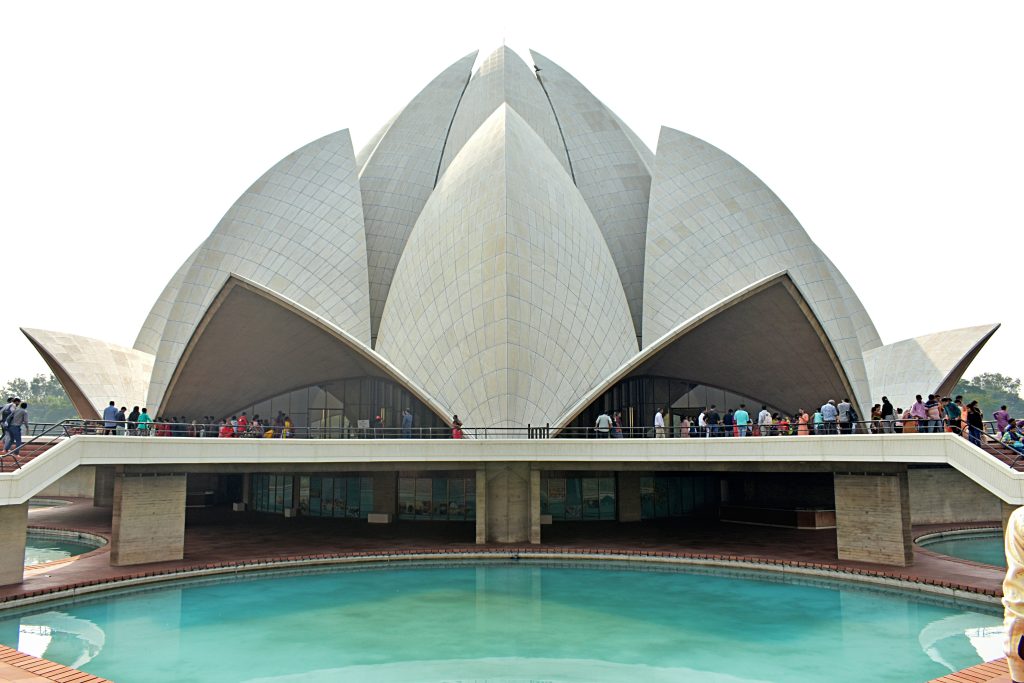
India, situated in South Asia, stands as the world’s second-most populous country, hosting a population exceeding 1.3 billion. With a federal structure comprising 28 states and 8 Union Territories, India’s geography spans from the Himalayas in the north to the coastal regions along the Arabian Sea and the Bay of Bengal.
Its economy is among the world’s largest, fueled by a mix of traditional agriculture and a rapidly growing industrial sector, particularly in information technology and pharmaceuticals. Culturally, India is known for its diverse traditions, religions, and festivals, contributing to a global impact in art, literature, and classical forms of dance and music.
What to Expect When Dating Women in India

India is incredibly diverse, with various cultures, languages, and traditions. Be open to learning about and respecting her cultural background, as it can greatly influence her values and perspectives. Family is often highly important in Indian culture. Be prepared to meet and interact with her family, as they may play a crucial role in her life and decision-making.
Indian society values traditions, including arranged marriages in some cases. While many Indians are open to love marriages, respecting traditions and understanding the importance of cultural practices is crucial.
Some women in India may hold conservative values, especially when it comes to relationships and physical intimacy. It’s essential to communicate openly and ensure that both partners are comfortable with the pace and level of intimacy in the relationship.
Indians often value clear communication but may use indirect or subtle language to convey thoughts. Pay attention to non-verbal cues, and be open to discussing expectations and boundaries.
Many Indian women are highly focused on their education and careers. Be supportive of her ambitions and goals, and understand that achieving a balance between personal and professional life is often important.
While traditional values are significant, modern Indian women also appreciate their personal space and individuality. Respect her autonomy and be a supportive partner in her personal and professional pursuits.
Understanding Culture and Etiquette When Meeting Women in India
Meeting someone new can be exciting, and navigating cultural nuances can add a fascinating layer to the experience. When meeting women in India, understanding the rich tapestry of customs and etiquette can help you make a positive and respectful impression.
The traditional Indian greeting involves placing palms together at chest level and bowing slightly. It’s a graceful and respectful way to acknowledge someone, regardless of gender or age. In urban settings, handshakes are becoming increasingly common, especially in professional settings. However, wait for the woman to initiate the handshake first, and keep your grip firm but gentle.
When visiting religious sites or meeting elders, dress modestly. Opt for knee-length clothing and avoid revealing outfits. Men should also avoid sleeveless shirts and shorts. While modesty is important, don’t shy away from the vibrant colors that India is known for! Just steer clear of black or white for funerals or religious ceremonies.
Stick to safe topics like family, work, or travel. These are great conversation starters that allow you to get to know each other without venturing into sensitive territory. Show genuine interest in what she has to say, and ask thoughtful questions. Indians value good communication and appreciate engaged listeners.
Public displays of affection are generally not acceptable in Indian culture. Keep physical contact minimal, especially when meeting someone for the first time. Avoid pointing directly at someone, use an open palm or a gentle side-sweep gesture instead. It’s also customary to remove shoes before entering homes and religious places.
Cultural Diversity in India
Cultural diversity in India is a vibrant mosaic shaped by a rich tapestry of traditions, languages, religions, and customs. With a population exceeding 1.3 billion, the country is home to a multitude of ethnicities and communities, each contributing to the kaleidoscope of Indian culture.
India’s history, marked by various empires and civilizations, has left an indelible imprint on its cultural heritage. The diverse linguistic landscape encompasses numerous languages, including Hindi, Bengali, Telugu, Marathi, and Tamil, among others.
Religion further enriches the cultural fabric, with major faiths such as Hinduism, Islam, Christianity, Sikhism, Buddhism, and Jainism coexisting harmoniously. Each religion brings its own set of festivals, rituals, and traditions, contributing to the colorful celebrations that punctuate the Indian calendar.
Regional variations in cuisine, art, dance, and music further underscore the cultural richness, making India a captivating tapestry of diversity where unity is often found in embracing and celebrating differences.
Sex Culture in India
India’s approach to sex culture is shaped by a complex interplay of traditional values and evolving attitudes. While cultural conservatism, influenced by religious and societal norms, often emphasizes modesty and discretion, there is a gradual shift towards more open discussions about sexuality.
The younger generation, in particular, is challenging taboos and embracing a more liberal perspective. Despite this changing landscape, topics related to sex are often considered private, and discussions may be approached with discretion.
Arranged marriages still play a significant role in shaping intimate relationships, yet love marriages are becoming increasingly prevalent. The legal framework around sexual matters is evolving, with landmark judgments affirming individual rights and decriminalizing certain aspects.
Overall, India’s sex culture reflects a dynamic interplay between tradition and modernity, with ongoing societal changes influencing attitudes towards sexuality.
Are One Night Stands and Hook Ups Easy in India
Attitudes towards one-night stands and hookups in India vary significantly based on factors like location, urbanization, and individual perspectives. In metropolitan cities and among the younger, more liberal population, there is often a greater acceptance and ease regarding casual relationships.
Urban nightlife and the influence of modern dating apps contribute to this openness. However, in more conservative or rural areas, societal norms may frown upon such casual encounters, and individuals may face judgment or social repercussions.
It’s crucial to approach such situations with awareness of the local culture, and individual preferences, and always prioritize clear communication and mutual consent.
Relationships in India
Relationships in India are deeply influenced by a blend of traditional values and evolving societal dynamics. Family plays a central role, and arranged marriages, where families actively participate in partner selection, are still prevalent in many communities. However, there is a growing acceptance of love marriages, especially among the younger generation.
Communication is crucial in navigating relationships, and a clear understanding of cultural nuances is essential. Respect for elders and family traditions is often emphasized. While traditional values hold significance, modern relationships in urban areas are witnessing increased individual autonomy and decision-making.
Challenges may arise from societal expectations, and factors such as caste, religion, and social status can impact relationship dynamics. Balancing personal aspirations, career goals, and family expectations is delicate. Overall, relationships in India reflect a dynamic interplay between tradition and modernity, highlighting the diversity and complexity of the country’s social fabric.
What is it Like Dating As A Foreigner in India?
Dating as a foreigner in India can be a unique experience influenced by a combination of cultural, social, and individual factors. While attitudes are evolving, India has a diverse cultural landscape, and dating norms may vary across regions and communities.
Urban areas, with their cosmopolitan outlook, often exhibit more liberal views towards dating. However, in more conservative or rural settings, traditional values may still play a significant role, and public displays of affection may be viewed differently.
Respect for Indian customs and traditions, as well as an openness to understanding and appreciating the local culture, can enhance the dating experience. Communication is key, and being mindful of differences in dating expectations, especially about family involvement, can contribute to a smoother relationship dynamic.
Ultimately, each experience is unique, and building connections based on mutual understanding and respect for cultural differences is essential.
How to Meet Women in Their 20’s and 30’s in India
Meeting women in their 20s and 30s in India involves navigating various social settings and being respectful of cultural nuances. Here are some suggestions:
- Social Events and Gatherings: Attend social events, parties, and gatherings where young adults often converge. These could include cultural festivals, music events, or networking gatherings.
- Online Dating: Utilize dating apps and websites, which have become increasingly popular in urban areas. Be clear about your intentions and take the time to understand the other person’s expectations.
- Cafes and Restaurants: Visit popular cafes and restaurants, especially in urban areas, where young professionals often spend their leisure time. This can be a casual setting to strike up conversations.
- Classes and Workshops: Enroll in classes or workshops that align with your interests. This could be anything from art and dance classes to language or cooking lessons. It provides an opportunity to meet like-minded individuals.
- Volunteer Activities: Participate in volunteer work or community service. Not only is it a chance to make a positive impact, but it also allows you to meet individuals who share similar values.
- Fitness Classes: Join fitness classes, yoga sessions, or sports clubs. Staying active while meeting new people is a great way to form connections.
- Social Media: Engage on social media platforms to connect with individuals who share common interests. Many events and meetups are often promoted online.
- Through Mutual Friends: Leverage your existing social circle and ask friends to introduce you to people within their networks. Mutual connections can provide a comfortable entry point.
- Professional Networking Events: Attend industry-specific events or conferences related to your field of work. These events often attract young professionals.
- Book Clubs or Discussion Groups: Join book clubs, discussion forums, or hobby groups. It’s an excellent way to meet people who share similar intellectual or recreational interests.
Regardless of the method you choose, approach interactions with genuine interest and respect for the cultural context. Be mindful of individual preferences and boundaries, and prioritize open communication.
How to Meet Women in their 40 and 50 + in India
Meeting women in their 40s and 50s in India involves engaging in activities that cater to this demographic while being mindful of cultural sensitivities. Here are some suggestions:
- Cultural Events: Attend cultural events, art exhibitions, and classical music or dance performances that attract an older audience. These settings provide a conducive environment for meeting women with shared interests.
- Social Clubs: Join social clubs or organizations that cater to individuals in their 40s and 50s. These could include book clubs, gardening groups, or local community organizations.
- Fitness Classes: Participate in fitness classes like yoga, Pilates, or group workouts. Many women in their 40s and 50s prioritize health and well-being, making fitness classes a good place to connect.
- Networking Events: Attend professional or industry-specific networking events. These gatherings often attract individuals with experience and expertise, providing an opportunity to meet women in their 40s and 50s.
- Charity and Volunteering: Engage in charitable activities and volunteer work. Many women in this age group are involved in community service, and volunteering offers a chance to connect over shared values.
- Travel Groups: Join travel groups or clubs that organize trips for individuals in their 40s and 50s. It’s a great way to meet like-minded people while exploring new destinations.
- Social Media and Online Communities: Explore online forums and communities tailored for mature individuals. Platforms like meetup.com often have groups specifically designed for people in their 40s and 50s.
- Culinary Classes: Take cooking or culinary classes. These classes often attract individuals interested in enhancing their culinary skills and can provide a relaxed setting for socializing.
- Spiritual and Wellness Retreats: Attend spiritual or wellness retreats, where individuals often seek personal growth and connection. This can be an enriching environment for meeting women with similar pursuits.
- Alumni Events: Participate in alumni events from universities or schools. These gatherings can bring together individuals who share a common educational background and experiences.
Approaching interactions with respect, genuine interest, and cultural sensitivity is crucial. Be open to forming connections based on shared values and experiences.
Is it A Good Place to Meet Women?
India can be a good place to meet women, especially in its urban centers like Mumbai, Delhi, and Bangalore, where a dynamic social scene offers various opportunities for connections. Cafes, cultural events, and online dating platforms are common avenues to meet women in these cosmopolitan areas.
However, it’s crucial to be mindful of the diversity in cultural norms and dating expectations across the country. While major cities may have a more liberal outlook, rural or conservative regions may have different social dynamics.
Success in meeting women in India hinges on cultural awareness, respectful engagement, and open communication, allowing for meaningful connections within the diverse social fabric of the country.
What are Women Like Compared to Other Countries?

Indian women, in comparison to women from other countries, often navigate a cultural landscape where family and community play pivotal roles. Traditional values and societal expectations can influence their choices, with marriage and family often holding significant importance.
In professional settings, Indian women are increasingly pursuing careers and education, challenging traditional norms. Respect for elders and a strong sense of community is instilled from a young age, contributing to a collective and familial approach to decision-making.
Additionally, Indian women may exhibit warmth and hospitality, often valuing strong interpersonal connections within their social circles. While there is a growing emphasis on individual aspirations and autonomy, the balance between tradition and modernity continues to shape the diverse experiences of Indian women.
How to Overcome Approach Anxiety with Women
Approach anxiety is a common feeling that many people experience when it comes to approaching someone they’re interested in, including women. Overcoming approach anxiety takes practice and a shift in mindset. Here are some tips to help you overcome approach anxiety with women:
- Recognize that it’s normal: Approach anxiety is something that most people experience at some point. Knowing that it’s a common feeling can help normalize it and reduce the pressure you put on yourself.
- Reframe rejection: Understand that rejection is a natural part of the dating process and doesn’t reflect your self-worth. Instead of seeing it as a personal failure, view it as an opportunity to learn and grow.
- Start small: Begin by engaging in small talk with women in low-pressure situations, such as in line at a coffee shop or while waiting for public transportation. This helps build your confidence and gets you accustomed to initiating conversations.
- Focus on connection, not outcome: Instead of solely focusing on the outcome (getting a phone number or a date), shift your attention to establishing a genuine connection with the person you’re talking to. Approach conversations with curiosity and a genuine interest in getting to know the other person.
- Practice self-care: Taking care of yourself physically and mentally can boost your confidence and reduce anxiety. Prioritize activities that make you feel good, such as exercise, hobbies, and self-reflection.
- Set realistic expectations: Understand that not every interaction will lead to a romantic connection, and that’s okay. Approach conversations to simply have an enjoyable interaction and make a connection, without placing too much pressure on the outcome.
- Positive self-talk: Replace negative self-talk with positive affirmations. Remind yourself of your positive qualities, strengths, and previous successful interactions. This can help build self-confidence and reduce anxiety.
- Seek support: Consider seeking support from friends, dating coaches, or therapists who can provide guidance, encouragement, and advice on overcoming approach anxiety.
Remember, overcoming approach anxiety takes time and practice. Be patient with yourself and celebrate small victories along the way. The more you engage in social interactions, the more comfortable you’ll become with approaching and connecting with women.
List of The Best Cities in India
India is a diverse country with a multitude of cities, each offering unique cultural, historical, and economic experiences. Here is a list of some prominent cities known for their distinct attributes:
- Mumbai (Bombay): The financial capital, known for its bustling energy, Bollywood, and diverse culinary scene.
- Delhi: The capital city, rich in history, with iconic landmarks like the Red Fort and India Gate.
- Bangalore: The Silicon Valley of India, is celebrated for its IT industry, pleasant climate, and vibrant nightlife.
- Chennai (Madras): A cultural hub with a strong emphasis on classical arts, music, and the Tamil film industry.
- Kolkata (Calcutta): The cultural capital, famous for its literary heritage, festivals, and historical significance.
- Hyderabad: A blend of tradition and technology, known for its historic monuments, biryani, and IT industry.
- Pune: An educational and cultural center with a youthful vibe, surrounded by hills and historic landmarks.
- Ahmedabad: A thriving city known for its industrial growth, textile heritage, and vibrant street food.
- Jaipur: The Pink City, famous for its palaces, forts, and vibrant Rajasthani culture.
- Chandigarh: A well-planned city designed by Le Corbusier, known for its modern architecture and urban design.
- Kochi (Cochin): A coastal city with a rich maritime history, known for its backwaters and spice trade.
- Lucknow: The city of Nawabs, is renowned for its Mughlai cuisine, historical monuments, and cultural heritage.
- Bhopal: Known for its lakes, museums, and historical landmarks, including the Taj-ul-Masajid.
- Agra: Home to the iconic Taj Mahal and several other UNESCO World Heritage Sites.
Each city offers a distinct flavor of India, reflecting the country’s diversity in terms of culture, history, and development. The best city for an individual would depend on their interests, career opportunities, and lifestyle preferences.
List of The Best Areas to Stay in India
Determining the best areas to stay in India depends on various factors such as personal preferences, the purpose of the visit, and specific interests. Here is a list of notable areas in different cities that are often considered desirable for various reasons:
- Mumbai:
- South Mumbai (Colaba, Marine Drive): Known for historic landmarks, upscale hotels, and a vibrant atmosphere.
- Bandra: A trendy suburb with a lively nightlife, popular among the youth.
- Delhi:
- Connaught Place: A central business district with shopping, dining, and historical sites.
- South Delhi (Hauz Khas, Saket): Known for upscale neighborhoods, parks, and cultural attractions.
- Bangalore:
- Indiranagar: A lively area with pubs, cafes, and a youthful atmosphere.
- Koramangala: A hub for tech companies, with a mix of residential and commercial spaces.
- Chennai:
- Hyderabad:
- Banjara Hills: An affluent area with shopping, dining, and upscale residences.
- Hitech City: The IT hub, popular among business travelers and tech professionals.
- Pune:
- Koregaon Park: A vibrant area with cafes, boutiques, and a youthful crowd.
- Aundh: A residential and commercial area with shopping complexes and restaurants.
- Jaipur:
- C-Scheme: Central and well-connected, known for shopping and dining.
- Vaishali Nagar: A residential area with parks and cultural attractions.
These are just a few examples, and the best area to stay ultimately depends on individual preferences, whether it’s proximity to work, cultural attractions, or specific amenities.
The Best Time to Visit India
The best time to visit India depends on the region:
- Winter (November to February): Ideal for most parts of India, offering pleasant temperatures. Best for exploring historical sites, national parks, and cultural attractions in places like Delhi, Agra, Rajasthan, and South India.
- Summer (March to June): Can be extremely hot, with milder climates in hill stations and northern regions. Popular for destinations like Shimla and Manali.
- Monsoon (July to September): Heavy rainfall, especially along the western coast and northeastern regions. Some areas, like Kerala and Goa, can be lush and picturesque, but travel plans may be affected.
Consider festivals, specific regions, and wildlife safari seasons when planning. Winter is generally favorable for festivals, and wildlife sightings vary by season.
How to Meet Women in India
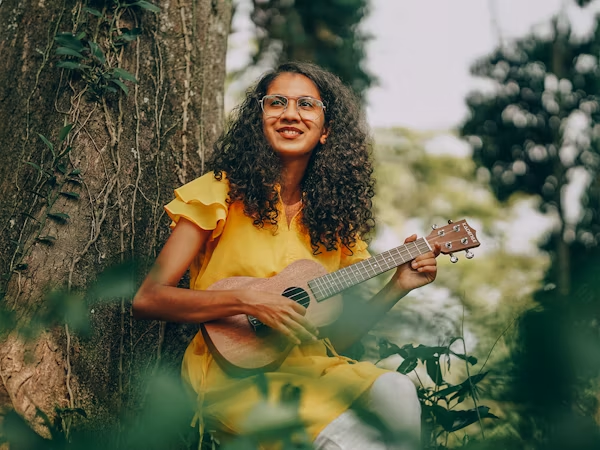
Meeting women can be an enjoyable and rewarding experience. Here are some tips on how to meet women in different settings:
- Cafes, Bars, and Clubs:
- Be approachable and friendly: Strike up conversations with women by showing genuine interest in their interests or starting a casual conversation about the environment.
- Respect personal space and boundaries: It’s important to be respectful and aware of personal boundaries. If someone shows disinterest or discomfort, gracefully move on.
- Take part in social events: Many cafes, bars, and clubs organize events such as live music performances or trivia nights. Participating in these events can provide opportunities to meet women with shared interests.
- Shopping Centers:
- Engage in conversation: Strike up conversations while browsing in stores or waiting in line. Ask for recommendations or opinions on products, and show genuine interest in their responses.
- Attend workshops or demonstrations: Some shopping centers offer workshops or demonstrations on various topics. Participating in these activities can provide opportunities to meet women with similar interests.
- Online Dating Sites and Apps:
- Create an authentic and appealing profile: Use clear and genuine photos and write an engaging bio that reflects your personality and interests.
- Initiate conversations: When interacting with women online, make sure to read their profiles and personalize your messages. Ask open-ended questions to spark meaningful conversations.
- Arrange in-person meetings: If you connect well with someone online, suggest meeting in person for a coffee or another activity you both enjoy.
- Outdoor Activities:
- Join group activities: Participate in group outdoor activities such as hiking, cycling, or sports clubs. This allows you to meet women who share similar interests and enjoy outdoor activities.
- Be friendly and approachable: Strike up conversations during outdoor activities by showing interest in the activity or seeking advice. Engage in light-hearted conversations and let connections happen naturally.
- Social Events:
- Attend social events and gatherings: Look for social events in your community, such as parties, cultural festivals, or networking events. These provide opportunities to meet new people, including women.
- Be sociable and confident: Introduce yourself to new people, engage in conversations, and show interest in others. Be confident, approachable, and respectful in your interactions.
- Universities:
- Participate in university events and clubs: Join clubs, organizations, or events that align with your interests. This allows you to meet women who share similar academic or extracurricular pursuits.
- Attend social gatherings: Make an effort to attend social gatherings, parties, or study groups. Engage in conversations and build connections naturally.
Remember, it’s important to approach interactions with respect, authenticity, and genuine interest. Building connections takes time, so be patient and open to the possibilities that arise. Additionally, consent and personal boundaries should always be respected in any social interaction.
Social Events for Meeting Women in India
India offers a variety of social events and gatherings where individuals can meet and connect. Here are some types of social events that provide opportunities for meeting women:
- Cultural Festivals: Attend cultural festivals, which showcase traditional arts, music, and dance. These events often draw diverse crowds and provide a platform for socializing.
- Music Concerts and Performances: Whether it’s classical music, contemporary concerts, or local gigs, music events attract people with similar interests, offering a relaxed setting for conversations.
- Art Exhibitions and Galleries: Explore art exhibitions and galleries where individuals with an appreciation for creativity often gather. Discussions about art can be a great way to initiate conversations.
- Literary Events and Book Clubs: Attend literary festivals or join book clubs. Intellectual gatherings centered around literature can be an excellent place to meet women who share a passion for reading and learning.
- Food Festivals and Culinary Events: Explore food festivals and culinary events, where people come together to appreciate different cuisines. Sharing a love for food can be a delightful way to connect.
- Yoga and Wellness Retreats: Participate in yoga or wellness retreats, where individuals interested in health and well-being often congregate. These events provide a serene environment for social interactions.
- Community Volunteering: Engage in community service or volunteering activities. Contributing to a cause while meeting like-minded individuals can create meaningful connections.
- Networking Events: Attend professional networking events related to your field. These gatherings offer opportunities to meet women with similar career interests.
- Dance Classes and Performances: Join dance classes or attend dance performances. Dance events attract individuals who enjoy movement and rhythm, providing a lively atmosphere for socializing.
- Film Festivals: Participate in film festivals that showcase diverse cinematic experiences. These events often attract people passionate about storytelling and visual arts.
- Tech Meetups and Conferences: If you are in the tech industry, attend meetups and conferences. These events offer networking opportunities with women working in the technology sector.
- Fashion Shows: Explore fashion shows and events, which can be a platform for meeting women interested in fashion and design.
When attending these events, remember to be respectful, approach conversations genuinely, and share common interests to build connections.
It’s also worth checking out Meetup.com, which is a great way to find social events in your area. Meetup.com is a great way to connect with like-minded people who share your interests and passions, and it’s a great way to meet new people.
What Do People Do in The Day Time in India
Daytime activities in India vary widely depending on factors such as location, lifestyle, and individual preferences. Here are some common activities that people engage in during the daytime in India:
- Work and Education: The majority of people are involved in work or education during the daytime. Offices, schools, and colleges operate during regular business hours.
- Shopping: Markets and shopping centers are bustling during the day, with people buying groceries, clothes, and various goods.
- Cultural and Historical Exploration: Many people visit cultural and historical sites during the daytime. India is rich in heritage, and attractions like temples, museums, and historical landmarks are popular destinations.
- Religious Practices: Indians often participate in religious activities during the day, which may include visiting temples, mosques, and churches, or conducting rituals at home.
- Outdoor Recreation: Parks, gardens, and recreational areas are frequented by people engaging in activities such as jogging, walking, or simply enjoying nature.
- Socializing: Daytime is also a time for socializing. People meet friends and family for meals, gatherings, or casual conversations.
- Business and Entrepreneurship: Business activities, meetings, and entrepreneurship pursuits are prevalent during the daytime, contributing to India’s economic vibrancy.
- Education and Skill Development: Daytime hours are often dedicated to learning new skills, attending classes, or pursuing further education.
- Travel and Commuting: People commute to and from work, schools, and various destinations. Public transportation, private vehicles, and other modes of travel are widely used.
- Culinary Exploration: Lunch is an essential part of the day, and many people explore local eateries or enjoy homemade meals during lunchtime.
- Community Activities: Community events, gatherings, and local activities often take place during the daytime, fostering a sense of community among residents.
- Medical and Health Activities: Daytime is when people may visit healthcare facilities, and clinics, or engage in wellness activities such as yoga or fitness classes.
These activities can vary based on regional and cultural differences. India’s diverse landscape ensures that daytime pursuits are as varied as the country itself, reflecting the multitude of lifestyles and interests present across the nation.
Day Time Tips for Meeting Women

Here are some tips for a successful day game:
- Be Approachable: Dress well and take care of your hygiene. An attractive, put-together appearance can be inviting and can show that you respect yourself and those you interact with.
- Location Matters: Choose locations where people are more likely to be open to socializing. Places like parks, coffee shops, shopping malls, or social events can be good options.
- Respect Her Time: If she appears to be in a hurry or busy with something, it might not be the best time to approach her.
- Approach Confidently, but Respectfully: Confidence can be attractive, but arrogance is not. Show respect and genuine interest in her as an individual.
- Be Genuine: Genuine compliments are more effective than canned lines. Comment on something specific you noticed about her.
- Keep it Casual: Unlike the nighttime setting, a casual and friendly approach tends to work better during the day. You can start the conversation about something situational or ask for her opinion on something.
- Pay Attention to Non-Verbal Cues: If she appears uncomfortable or uninterested, it’s crucial to back off respectfully. Body language can provide important clues about whether she’s interested or not.
- Have a Reason to Connect Again: If the conversation goes well, you might want to see each other again. It could be a common interest or an event that you both want to attend.
- Get Her Contact Information: If she seems comfortable and interested, ask for her phone number, social media contact, or whichever contact method seems most appropriate and comfortable for both of you.
Remember, every person is different, so what works for one woman may not work for another. The most important thing is to be respectful, genuine, and attentive to her comfort and responses.
What Do People Do at Night Time in India
Nighttime activities in India are diverse and dynamic, reflecting the country’s rich cultural and social tapestry. Here are common activities that people engage in during the nighttime:
- Night Markets: Many cities in India host vibrant night markets where people can shop for clothes, accessories, and local crafts. These markets often feature street food stalls, live performances, and a lively atmosphere.
- Street Food Exploration: Nighttime is synonymous with street food in India. People flock to popular street food vendors and stalls to savor a variety of local delicacies.
- Dining Out: Restaurants and eateries stay open late into the night, offering a range of dining experiences. It’s common for people to enjoy dinner at restaurants or indulge in late-night snacks.
- Cultural Performances: Some cities have cultural performances, including music concerts, dance shows, and theater productions, scheduled for the nighttime.
- Nightclubs and Bars: Urban areas, especially in major cities, have a thriving nightlife scene. Nightclubs, bars, and lounges become lively hubs for socializing, music, and dancing.
- Socializing and Gatherings: Nights are often reserved for socializing with friends and family. People may gather for events, and celebrations, or simply spend quality time together.
- Movies and Entertainment: Cinemas operate late into the night, offering an opportunity for people to catch a movie. Some cities also have open-air movie screenings and entertainment events.
- Religious Activities: Nighttime can be significant for certain religious rituals and ceremonies. Temples and other places of worship may hold special nighttime prayers and events.
- Travel: Overnight travel is common for long-distance journeys. People may opt for trains or buses that offer sleeper services to reach their destinations by the morning.
- Work and Business Meetings: In certain professions, especially those in the service industry, people may work late hours. Business meetings and conferences can extend into the nighttime.
- Strolls and Outdoor Activities: Some urban areas have parks and promenades that remain open at night, providing a peaceful setting for nighttime strolls or outdoor activities.
- Quiet and Reflective Time: Nighttime is also a period for quiet reflection and personal time. Some individuals use this time for meditation, reading, or pursuing personal hobbies.
It’s important to note that nighttime activities can vary significantly between urban and rural areas, and cultural practices may influence how people spend their evenings. The nightlife scene is more pronounced in major metropolitan areas, while in quieter regions, nights may be characterized by a slower pace of life.
Night Time Tips for Meeting Women

Meeting women at night, whether in bars, clubs, parties, or other social events, can be a lot of fun. However, it’s important to remember to always be respectful and considerate. Here are some tips to help you meet women during the night:
- Dress Well: Appearances aren’t everything, but dressing well can show that you take care of yourself and respect the people you’re interacting with. Make sure your outfit is suitable for the venue you’re going to.
- Body Language: Stand up straight, make eye contact, and smile. Positive body language can help make you more approachable.
- Be Confident: Confidence can be attractive, but remember, there’s a fine line between confidence and arrogance. Be self-assured, not cocky.
- Approach Respectfully: Always approach women respectfully and be aware of their comfort level. If she seems uninterested or asks you to leave, respect her wishes.
- Initiate Conversation: Start a conversation about something you both have in common. It could be the venue, the music, or the event you’re at. Try to keep the conversation light and fun.
- Be Genuine: Authenticity is key. Show genuine interest in her, listen to what she’s saying, and respond thoughtfully.
- Don’t Rush: Take your time and let the conversation flow naturally. Rushing things can come off as insincere or pushy.
- Know When to Move On: If she’s not interested, it’s important to recognize that and move on. Not every interaction will lead to a deeper connection, and that’s okay.
- Ask for Her Number: If you’ve had a good conversation and she seems interested, ask for her number. Make sure to do this politely and respectfully.
Remember, each person is different, so these tips might not work in every situation. The most important thing is to be respectful and considerate of her feelings and comfort. If you’re in a foreign country, it’s also important to be aware of local customs and cultural norms.
What’s The Music Scene Like in India
The music scene in India is incredibly diverse, reflecting the country’s rich cultural heritage and the amalgamation of various musical traditions. Here are key aspects of the music scene in India:
- Classical Music: India has a rich tradition of classical music, including two major traditions – Hindustani (North Indian) and Carnatic (South Indian). Both traditions have distinct styles, with classical performances featuring intricate ragas and talas.
- Bollywood Music: Bollywood music is a significant part of Indian popular culture. Film songs often blend various genres, including classical, folk, and contemporary music. Bollywood music is widely popular, and the film industry plays a central role in shaping musical trends.
- Folk Music: Each region in India has its folk music traditions, showcasing the cultural diversity of the country. Folk songs often narrate local stories, traditions, and festivals.
- Indie and Alternative Music: The indie and alternative music scene in India has been growing steadily. Independent artists and bands explore a range of genres, including rock, electronic, fusion, and experimental music.
- Electronic Dance Music (EDM): Urban centers, especially in metro cities, have embraced EDM and electronic music festivals. Popular DJs and electronic music producers perform at events, attracting a younger audience.
- Sufi Music: Sufi music, known for its spiritual and devotional themes, has a dedicated following in India. Sufi qawwalis and performances are often part of cultural events and festivals.
- Carnatic Fusion: Fusion music, blending traditional Carnatic music with contemporary genres, has gained popularity. Musicians experiment with combining classical instruments with modern sounds.
- Ghazals and Qawwalis: Ghazals and Qawwalis, with their poetic lyrics and soulful melodies, remain influential. These genres often convey deep emotions and are associated with Sufi traditions.
- Western Music Influence: Western music genres like pop, rock, hip-hop, and jazz have found a place in India’s music landscape. Many Indian artists incorporate Western influences into their compositions.
- Music Festivals: India hosts numerous music festivals covering a broad spectrum of genres. Festivals like NH7 Weekender, Sunburn, and Magnetic Fields attract both Indian and international artists.
- Rural and Tribal Music: Rural areas showcase unique music rooted in local traditions and rituals. Tribal communities have their distinct musical expressions, adding to the country’s cultural diversity.
- Online Platforms: Digital platforms and streaming services have become popular avenues for discovering and promoting music. Independent artists find platforms like YouTube and SoundCloud essential for reaching a global audience.
The music scene in India is dynamic, constantly evolving, and embraces a wide array of genres and influences. The coexistence of classical traditions, Bollywood hits, independent artists, and global music trends creates a vibrant and multifaceted musical landscape.
Tips for Meeting Women in India

When it comes to meeting women, here are some general tips that can be helpful:
- Be confident: Confidence is attractive and can make a positive impression. Work on building your self-esteem and approach interactions with a positive mindset.
- Respect and listen: Treat women with respect, actively listen to what they have to say, and show genuine interest in getting to know them. Respect their boundaries and personal space.
- Be yourself: Authenticity is key. Be true to yourself and present your genuine personality. Trying to be someone you’re not is not sustainable in the long run.
- Expand your social circle: Engage in activities and join communities where you can meet new people, including women. This could be through hobbies, volunteering, sports clubs, or other social events.
- Improve your communication skills: Effective communication is essential. Practice active listening, maintain good eye contact, and engage in meaningful conversations. Show curiosity and ask open-ended questions to foster deeper connections.
- Approach with a friendly attitude: When approaching women, be friendly, approachable, and considerate of their comfort. Be mindful of non-verbal cues and respect their response. Not every interaction will lead to a romantic connection, and that’s okay.
- Take care of yourself: Prioritize self-care and personal development. Invest in your physical and mental well-being, maintain good hygiene, and dress in a way that makes you feel confident. Taking care of yourself shows that you value yourself and can attract others.
- Online dating: Utilize online dating platforms and apps to expand your potential dating pool. Create an appealing and genuine profile, engage in meaningful conversations, and be respectful when interacting online.
Remember, every individual is unique, and there is no one-size-fits-all approach to meeting women. Building connections takes time and effort, so be patient and open to different experiences. Focus on building meaningful connections and getting to know women as individuals rather than solely pursuing romantic goals.
List of Conversation Starters for Meeting Women at Night Time in India
- What brings you out tonight?
- Are you from around here?
- What type of music do you like?
- Do you come to this club often?
- What are your favorite things to do in India?
- Have you traveled much in the country?
- What’s your favorite food or drink here?
When approaching women at night time, it’s important to be respectful, confident, and considerate. Here are some conversation starters that can help you initiate a meaningful interaction:
- Observational opener: Comment on something specific in your surroundings to break the ice. For example, “The live music here is fantastic. Have you heard this band before?”
- Shared interest: If you’re at a specific event or venue, talk about your common interest. For instance, “I noticed you’re wearing a [sports team] hat. Are you a fan? I love watching their games.”
- Compliment: Offer a genuine compliment that shows appreciation without being overly forward. For example, “You have a great sense of style. I love your outfit.”
- Question about travel or experiences: Ask about her travel experiences or adventures. This can lead to interesting stories and shared experiences. For instance, “Have you traveled to any other countries? What was your favorite place?”
- Light-hearted humor: Share a funny observation or make a playful comment to bring a smile to her face. For example, “I have to admit, I’m terrible at dancing. Mind giving me a few pointers?”
- Current events or pop culture: Discuss a recent news story, a popular movie, or a trending topic to find common ground. For example, “Did you catch that new movie everyone’s talking about? I’ve heard mixed reviews.”
Remember, the goal is to establish a genuine connection and engage in meaningful conversation. Be attentive, listen actively, and show interest in what she has to say. Respect her boundaries and be mindful of her comfort level throughout the interaction.
List of Conversation Starters for Meeting Women at Day Time in India
- What do you like to do for fun?
- What type of activities do you enjoy doing in India?
- What is your favorite place to visit in the country?
- Are there any special events coming up that you’re excited about?
- What type of music do you like to listen to?
- Do you have any hobbies or passions that you enjoy pursuing?
- What’s your favorite restaurant or cafe in the area?
When approaching women during the day, it’s important to be respectful, friendly, and approachable. Here are some conversation starters that can help you strike up a conversation:
- Compliment: Offer a genuine compliment about something you notice and appreciate. It could be her style, a piece of jewelry, or her smile. For example, “I couldn’t help but notice your beautiful necklace. It’s quite unique. Where did you find it?”
- Shared surroundings: Observe your current location or situation. It can be a comment about the weather, a nearby event, or something interesting happening around you. For example, “This park is so peaceful. Do you come here often?”
- Ask for recommendations or opinions: Seek her opinion or advice about something related to the location or topic of conversation. It could be a restaurant recommendation, a book or movie suggestion, or thoughts on a local attraction. For example, “I’m new to this area. Do you have any favorite coffee shops around here?”
- Interest-based opener: If you notice something that indicates a shared interest, use that as a conversation starter. It could be a book she’s reading, a hobby she’s engaged in, or a bag with a logo from a favorite sports team. For example, “I noticed you’re reading [book title]. I’m a big fan of that author. What do you think of the book so far?”
- Genuine curiosity: Ask open-ended questions about her interests, hobbies, or experiences. Show a genuine interest in getting to know her. For example, “What do you enjoy doing in your free time? Any hobbies or activities that you’re passionate about?”
- Light-hearted humor: Inject some humor into the conversation to create a relaxed and enjoyable atmosphere. It could be a playful comment or a witty observation about something in your surroundings. For example, if you’re both standing in a long line, you could say, “I hope the line starts moving soon. We might need to bring sleeping bags and set up camp here!”
List of Openers for Meeting Women Online in India
When it comes to online dating, starting a conversation with an engaging opener can help grab someone’s attention. Here are some openers you can use for online dating:
- Personalized Opener: Reference something from the person’s profile that caught your interest or stood out to you. For example, “I noticed you’re into hiking. Do you have any favorite trails in the area?”
- Question Opener: Ask an open-ended question related to their interests or preferences. For instance, “If you could have dinner with any historical figure, who would it be and why?”
- Shared Experience Opener: Find a shared experience or interest based on their profile and use it as an opener. For example, “I see you enjoy photography. Have you ever taken any interesting shots while traveling?”
- Playful Opener: Inject some playfulness into your opening message. For instance, “If you were stranded on a deserted island and could only bring three things, what would they be?”
- Creative Opener: Get creative with your opener by using a fun fact or a unique icebreaker. For example, “Did you know that statistically, people with more birthdays tend to live longer? So, I guess you’re on the right track!”
How to Approach Women in India

Approaching women in India, as in any cultural context, requires respect, consideration, and awareness of social nuances. Here are some general tips on how to approach women in India:
- Respect Cultural Norms: Be aware of cultural norms and etiquette in India. Respect for traditions and values is crucial in any interaction.
- Non-Intrusive Body Language: Maintain non-intrusive body language. Avoid invading personal space and ensure your gestures are respectful.
- Start with Polite Conversation: Initiate conversation with polite and casual topics. Avoid overly personal or sensitive subjects initially.
- Be Mindful of the Environment: Choose appropriate settings for approaching women. Public places like cafes, parks, or social events are generally more acceptable.
- Observe and Listen: Pay attention to non-verbal cues and actively listen during conversations. This shows genuine interest and respect.
- Casual Compliments: Compliment genuinely and casually. Avoid comments that may be perceived as overly personal.
- Use Humor Wisely: Use humor with caution and cultural sensitivity. Humor that is light and inclusive is generally well-received.
- Express Interest, Not Pressure: Express interest in getting to know the person without applying undue pressure. Allow the conversation to flow naturally.
- Respect Personal Boundaries: Respect personal boundaries and be responsive to cues indicating comfort or discomfort. If someone seems uninterested or uncomfortable, gracefully disengage.
- Understand Cultural Differences: India is culturally diverse, and approaches may vary. Be open to understanding and adapting to cultural differences based on the region.
- Consider Social Context: Understand the social context and be mindful of the fact that some women may prefer not to engage with strangers in certain situations.
- Build Friendship First: Focus on building a friendly connection initially. Allow the relationship to develop naturally and don’t rush into personal topics.
- Learn Basic Local Phrases: If you’re not a native speaker, learning a few basic local phrases can be a sign of respect and may help break the ice.
- Respectful Complimenting: Complimenting is fine, but keep it respectful and avoid comments that could be misconstrued or make the other person uncomfortable.
- Be Yourself: Authenticity is key. Be genuine, be yourself, and approach women with sincerity.
It’s important to recognize that approaches can vary greatly among individuals, and there is no one-size-fits-all method. It’s crucial to be adaptable, respectful, and attuned to the specific social and cultural context in which you are interacting. Always prioritize clear communication and consent in any interaction.
List of The Best Dating Apps to Meet Women in India
- Tinder – Casual and serious dating
- Bumble – Casual, friends and serious dating
- Hinge – Casual and serious dating
- Match – More serious dating
- Happn – Casual dating
- Eharmony – Serious dating
- Friendfinder – Friends
- Adultfriendfinder – Casual only
List of The Best Universities for Meeting Women in India
If you are looking for universities with vibrant social scenes and diverse student populations, here are some well-known institutions in India:
- University of Delhi (DU), Delhi: DU is known for its diverse student body and a wide range of academic programs. The campus life, with numerous colleges and cultural events, offers ample opportunities to meet people.
- Jawaharlal Nehru University (JNU), Delhi: JNU is renowned for its intellectual environment and lively student activism. The campus hosts various cultural and academic events that facilitate social interactions.
- University of Mumbai, Mumbai: With multiple affiliated colleges, the University of Mumbai provides a diverse and cosmopolitan environment. The city itself offers a vibrant social scene.
- University of Pune, Pune: Pune is known as the “Oxford of the East,” and the University of Pune has a mix of traditional and modern elements. The city has a young population, and the campus life is dynamic.
- University of Calcutta, Kolkata: Established in 1857, the University of Calcutta has a rich history. Kolkata’s cultural richness and the university’s diverse student community contribute to a vibrant atmosphere.
- Banaras Hindu University (BHU), Varanasi: BHU, located in the spiritual city of Varanasi, has a mix of traditional and contemporary elements. The campus reflects the cultural ethos of the region.
- Anna University, Chennai: Anna University is a prominent technical institution in Chennai. The city’s dynamic cultural scene and diverse population provide opportunities for social interactions.
- IITs (Indian Institutes of Technology): IITs, located in various cities across India, are prestigious technical institutions with a mix of students from different states. The academic rigor and extracurricular activities foster social interactions.
- Christ University, Bangalore: Christ University is known for its diverse student body and a range of academic programs. Bangalore, as a cosmopolitan city, offers a lively social environment.
- Aligarh Muslim University (AMU), Aligarh: AMU has a rich history and a diverse student community. The campus reflects a blend of cultural and academic traditions.
Remember, the primary focus of attending a university should be academic and personal growth. While universities provide opportunities to meet new people, it’s essential to approach relationships with respect and genuine interest. Additionally, building connections is influenced more by individual attitudes, interests, and activities rather than the specific university one attends.
List of The Best Shopping Malls for Meeting Women in India
India boasts several impressive shopping malls, offering a mix of local and international brands, entertainment options, and dining experiences. Here are some of the best shopping malls in India:
- DLF Mall of India, Noida: As one of the largest malls in India, DLF Mall of India in Noida features a diverse range of retail stores, entertainment zones, and dining options.
- Select Citywalk, Delhi: Located in Saket, South Delhi, Select Citywalk is a popular shopping destination known for its upscale brands, diverse shopping options, and vibrant ambiance.
- Phoenix Marketcity, Mumbai: This sprawling mall in Kurla, Mumbai, is known for its extensive range of international and Indian brands, along with entertainment and dining choices.
- Phoenix Market City, Chennai: Situated in Velachery, Chennai, Phoenix Market City is one of the largest shopping malls in the city, offering a mix of retail, entertainment, and dining experiences.
- UB City Mall, Bangalore: UB City Mall, located in Bangalore, is part of the UB City luxury commercial complex. It houses high-end international and Indian brands.
- LuLu Mall, Kochi: LuLu Mall in Kochi is the largest shopping mall in Kerala, featuring a vast array of retail outlets, entertainment zones, and a food court.
- Ambience Mall, Gurgaon: Ambience Mall in Gurgaon is a popular destination in the National Capital Region (NCR) with a broad selection of retail stores, entertainment, and dining options.
- High Street Phoenix, Mumbai: High Street Phoenix, also known as Phoenix Mills, is a prominent shopping and entertainment complex in Lower Parel, Mumbai.
- Mantri Square Mall, Bangalore: One of the largest malls in Bangalore, Mantri Square Mall in Malleswaram offers a mix of national and international brands along with entertainment facilities.
- Inorbit Mall, Hyderabad: Known for its extensive range of shops, including fashion, electronics, and lifestyle brands, as well as entertainment options.
- Elante Mall, Chandigarh: Elante Mall in Chandigarh is the largest mall in the region, housing a diverse range of retail stores, a cinema complex, and numerous dining options.
- Forum Mall, Bangalore: Located on Hosur Road, Forum Mall is one of the oldest and most iconic shopping destinations in Bangalore, offering a mix of high-end and affordable brands.
These malls are not only shopping hubs but also serve as entertainment and socializing centers, providing a comprehensive retail experience for visitors.
List of The Busiest Streets in India
India is home to numerous bustling and vibrant streets that serve as major commercial and cultural hubs. Here are some of the busiest streets in the country:
- Chandni Chowk, Delhi: Located in Old Delhi, Chandni Chowk is one of the oldest and busiest markets in India. It offers a myriad of shops, street vendors, and historical landmarks.
- Linking Road, Mumbai: Situated in the Bandra neighborhood, Linking Road is a popular shopping street known for its trendy boutiques, street stalls, and diverse offerings.
- Brigade Road, Bangalore: Brigade Road in the central business district of Bangalore is a bustling commercial street lined with shops, restaurants, and entertainment venues.
- Commercial Street, Bangalore: Another major shopping destination in Bangalore, Commercial Street is known for its diverse range of stores, boutiques, and eateries.
- Park Street, Kolkata: Park Street is a famous thoroughfare in Kolkata known for its restaurants, pubs, and cultural events. It’s a popular destination for nightlife.
- Colaba Causeway, Mumbai: Colaba Causeway is a busy street in South Mumbai offering a mix of shops, cafes, and vendors. It’s a favorite among locals and tourists alike.
- M.G. Road, Pune: M.G. Road (Mahatma Gandhi Road) is a prominent commercial street in Pune, featuring shopping complexes, eateries, and a lively atmosphere.
- Karol Bagh, Delhi: Karol Bagh is a bustling market area in Delhi known for its diverse shopping options, ranging from clothing stores to electronics shops.
- Sarojini Nagar Market, Delhi: Famous for its budget-friendly shopping, Sarojini Nagar Market in Delhi attracts locals and tourists with its street-side stalls and shops.
- Bapu Bazar, Jaipur: Bapu Bazar in Jaipur is a vibrant market known for its traditional Rajasthani textiles, handicrafts, and jewelry.
- Abids, Hyderabad: Abids is one of the oldest and busiest commercial areas in Hyderabad, offering a mix of retail stores, eateries, and cultural landmarks.
- Russell Street, Kolkata: Russell Street is a prominent street in Kolkata known for its upscale restaurants, cafes, and boutiques.
- Janpath, Delhi: Janpath is a popular shopping street in Connaught Place, Delhi, known for its variety of shops selling clothing, accessories, and handicrafts.
- Hazratganj, Lucknow: Hazratganj is a major shopping and commercial area in Lucknow, offering a blend of traditional and modern retail outlets.
These streets not only serve as commercial hubs but also reflect the cultural and social fabric of their respective cities. They are integral to the daily life and energy of these urban centers.
List of Popular Cafes in India
India has a vibrant cafe culture, with diverse options catering to various tastes and preferences. Here is a list of popular cafes across different cities in the country:
- Indian Coffee House, Multiple Locations: With branches in various cities, the Indian Coffee House is known for its old-world charm and filter coffee. It has a rich history and is a favorite among locals.
- Cafe Coffee Day (CCD), Multiple Locations: CCD is a well-known chain of cafes with a presence in numerous cities. It offers a variety of coffee blends, snacks, and a casual ambiance.
- Starbucks, Multiple Locations: Starbucks has a presence in major Indian cities, providing its signature coffee beverages, teas, and a cozy atmosphere for patrons.
- The Coffee Bean & Tea Leaf, Multiple Locations: This international chain is known for its premium coffees and teas. It has outlets in several Indian cities, offering a comfortable setting for coffee enthusiasts.
- Blue Tokai Coffee Roasters, Multiple Locations: Blue Tokai is a popular specialty coffee roaster with cafes in cities like Delhi, Mumbai, and Bangalore. They focus on high-quality, freshly roasted coffee.
- Triveni Terrace Cafe, Delhi: Located in Mandi House, Triveni Terrace Cafe is a serene spot with an outdoor seating area. It’s known for its coffee, snacks, and cultural events.
- Artjuna, Goa: Artjuna in Goa is a unique cafe that combines a coffee shop, health food restaurant, and art space. It’s popular for its relaxed ambiance and yoga classes.
- Vohuman Cafe, Pune: Vohuman Cafe in Pune is an iconic Irani cafe known for its chai, bun maska, and classic Parsi dishes. It has been a favorite for decades.
- Koshys, Bangalore: Koshys in Bangalore is a historic cafe that has been a meeting place for locals since 1940. It offers a nostalgic ambiance, coffee, and a menu with a mix of cuisines.
- Irani Cafe, Hyderabad: Irani Cafe in Hyderabad is known for its Iranian tea, bun maska, and traditional snacks. The vintage decor adds to its charm.
- Leopold Cafe, Mumbai: Located in Colaba, Leopold Cafe is a historic landmark and one of Mumbai’s oldest cafes. It’s known for its diverse menu and lively atmosphere.
- Glenary’s, Darjeeling: Glenary’s in Darjeeling is a heritage cafe with stunning views of the Himalayas. It’s famous for its bakery, coffee, and continental cuisine.
These cafes offer a mix of experiences, from traditional to contemporary, making them popular choices for coffee lovers and those seeking a comfortable space to unwind.
List of The Best Restaurants for Meeting Women in India
It’s important to approach social situations and meeting people with respect and genuine intentions rather than focusing on specific locations. However, if you’re looking for popular and upscale restaurants in India where you can meet people in a pleasant environment, here are some recommendations:
Fine Dining:
- Indian Accent (New Delhi): Modern interpretations of Indian cuisine with global influences in a refined setting.
- Bukhara (New Delhi): Tandoori-cooked North-West Frontier dishes served in a rustic-chic space with an open kitchen.
- Dum Pukht (New Delhi): Awadhi cuisine from royal kitchens, known for its slow-cooked, aromatic dishes.
- Masque (Mumbai): Modern Indian tasting menus showcasing seasonal ingredients and innovative techniques.
- Yauatcha (Mumbai): Dim sum and modern Chinese cuisine in a stylish and vibrant setting.
Casual Dining:
- Bangalore Oota Company (Bengaluru): South Indian comfort food with a focus on local ingredients and sustainable practices.
- Cavatina by Avinash Martins (Goa): Goan and Portuguese flavors with live music in a charming courtyard setting.
- Leopold Cafe (Mumbai): Historic Mumbai institution offers Parsi and Western dishes in a lively atmosphere.
- Cafe Goa (Multiple locations): Casual Goan cafes serving flavorful seafood, coconut curry dishes, and local beverages.
Unique Experiences:
- Jamavar – Leela Palace (Bengaluru): Vibrant setting overlooking the palace grounds, serving authentic Indian dishes.
- Le Cirque Signature – The Leela Palace (Bengaluru): Sophisticated blend of French-Italian cuisine in an elegant ambiance.
- The Bombay Canteen (Mumbai): Community-driven restaurant celebrating diverse Indian regional cuisines.
- O Pedro (Mumbai): Goan and Portuguese flavors with ocean views and a relaxed beachside vibe.
Remember that the key to meeting people is being genuine, respectful, and engaging in meaningful conversations. Additionally, social dynamics vary greatly, and it’s essential to approach interactions with a positive and open mindset.
List of The Best Cities for Festivals for Meeting Women in India
India is known for its vibrant and diverse festivals, each celebrated with unique customs, traditions, and joyous gatherings. While festivals provide opportunities to meet people, it’s essential to approach such events with respect for their cultural significance. Here are some cities known for lively festivals, offering a chance to experience local culture and potentially meet new people:
- Jaipur, Rajasthan: Jaipur, known for its grandeur, hosts the colorful and lively celebrations of Diwali, Holi, and the world-famous Jaipur Literature Festival.
- Varanasi, Uttar Pradesh: Varanasi, one of the oldest cities, comes alive during festivals like Diwali and Dev Deepawali, celebrated with grandeur along the ghats of the Ganges.
- Goa: Goa is renowned for its vibrant and inclusive Carnival celebration, along with festivals like Shigmo and the lively atmosphere during Christmas and New Year.
- Kolkata, West Bengal: Durga Puja in Kolkata is a grand celebration, attracts people from all over. The city also hosts cultural festivals like the Kolkata International Film Festival.
- Mumbai, Maharashtra: Ganesh Chaturthi in Mumbai is a spectacular affair, with elaborate processions and decorations. The city also celebrates Diwali, Holi, and the Kala Ghoda Arts Festival.
- Ahmedabad, Gujarat: Ahmedabad is famous for its exuberant celebrations of Uttarayan (Kite Festival) and Navratri, where people come together for dance and music.
- Amritsar, Punjab: Amritsar hosts vibrant celebrations of festivals like Diwali and Baisakhi. The Golden Temple is illuminated on special occasions, creating a mesmerizing atmosphere.
- Thrissur, Kerala: Thrissur Pooram is one of the most significant festivals in Kerala, known for its grand processions, cultural events, and vibrant displays of fireworks.
- Hyderabad, Telangana: The city celebrates festivals like Bonalu, Bathukamma, and Diwali with enthusiasm. The Ganesha Chaturthi celebrations are also popular in Hyderabad.
- Delhi: The capital city hosts grand celebrations for Diwali, Holi, and Eid. The International Mango Festival and Qutub Festival are also cultural attractions.
- Chennai, Tamil Nadu: Pongal, celebrated in January, is a major festival in Chennai. The city also hosts music and dance festivals, showcasing its rich cultural heritage.
- Pushkar, Rajasthan: Pushkar is famous for the annual Pushkar Camel Fair, attracting people from around the world. It’s a unique cultural experience amid festivities.
Participating in festivals allows you to immerse yourself in the local culture and potentially meet new people. However, always be mindful of the cultural significance of each festival and approach social interactions with respect and understanding.
List of Best Bars and Pubs in India
India has a vibrant nightlife scene with a variety of bars and pubs catering to different tastes and preferences. Here is a list of popular bars and pubs in various cities across the country:
Delhi:
- Sidecar: Chic cocktail bar with an award-winning menu and an intimate speakeasy vibe.
- PCO: Industrial-style gastropub offering craft beers, cocktails, and delicious food.
- The Library: Sophisticated cocktail bar with an extensive drinks list and a library-themed ambiance.
- Hauz Khas Social: Lively rooftop bar with stunning views, Bollywood music, and a mix of drinks and food.
- Moonshine: Speakeasy-style bar hidden behind a barber shop, known for its innovative cocktails and speakeasy feel.
Mumbai:
- O Pedro: Beachside bar in Bandra with a breezy atmosphere, serving Goan-Portuguese tapas and cocktails.
- Social: Trendy gastropub chain with multiple locations, offering craft beers, cocktails, and global cuisine.
Bangalore:
- Bob’s Bar: This popular and well-established bar is known for its wide selection of beers and pub fare.
- Byg Brewski Brewing Company: Microbrewery with in-house beers and a lively atmosphere.
- Cocktails & Dreams Speakeasy: This hidden gem offers classic cocktails and an intimate speakeasy vibe.
- The Grid: Rooftop bar with a stunning view of the city, serving cocktails and modern Indian cuisine.
- Windmills Craftworks: Brewpub with multiple locations, offers award-winning craft beers and delicious food.
Goa:
- Antares: Beachside bar with a relaxed atmosphere, serving cocktails and Goan snacks.
- Joseph Bar: This chic cocktail bar in Panjim with a curated drinks list and a sophisticated ambiance.
- Black Sheep Bistro: This lively and quirky bar with a focus on sustainable practices and unique cocktails.
- Tito’s Bar & Escape: This iconic beach shack is known for its laid-back vibes, delicious seafood, and local cocktails.
Always check the current status and reviews of these establishments as the nightlife scene can evolve. Additionally, be aware of local regulations and guidelines regarding alcohol consumption and nightlife activities.
Prices and What Time They Close
Here are the prices and closing times for bars and pubs in India (based on the listed options):
Price Range:
- Fine Dining: Expect to spend anywhere from INR 3,000 to INR 5,000+ per person for a multi-course experience at these upscale establishments.
- Casual Dining: Prices within this category vary more widely, but generally range from INR 500 to INR 1,500 per person for a meal and drinks.
- Unique Experiences: These places usually fall within the fine dining price range (INR 3,000+) due to their premium setting and culinary offerings.
Closing Times:
- Most bars and pubs in India typically close between 11 PM and 1 AM, depending on the city and local regulations.
- Some cities like Delhi and Mumbai have extended closing times on weekends, often pushing to 2 AM or even 3 AM at specific venues.
- Speakeasies and hidden bars might operate slightly later than usual, depending on their policies.
Remember, these are just estimates, and actual prices and closing times may vary. It’s always best to confirm with the specific venue before your visit.
List of The Best Nightclubs for Meeting Women in India
Nightclubs can offer a lively atmosphere for socializing and meeting new people. However, it’s crucial to approach such venues with respect and awareness of individual preferences. Here’s a list of popular nightclubs across different cities in India:
- Kitty Su, Delhi: Located at The Lalit, Kitty Su is a high-energy nightclub known for hosting international DJs. It attracts a diverse crowd and is a popular spot in the capital.
- Euriska, Pune: Euriska is a popular nightclub in Pune known for its vibrant atmosphere and electronic dance music. It’s a hotspot for the city’s young and energetic crowd.
- Skyye, Bangalore: Skyye, situated on the 16th floor, offers stunning views of Bangalore’s skyline. It’s a trendy rooftop nightclub known for its electronic music and lively crowd.
- LOFT 38, Bangalore: LOFT 38 is a stylish nightclub in Indiranagar, Bangalore, offering a spacious dance floor, diverse music genres, and a trendy setting.
- Aqua, Kolkata: Aqua at The Park, Kolkata, is a popular rooftop nightclub with a pool. It offers a relaxed ambiance, great views, and a mix of music genres.
- Kismet, Hyderabad: Kismet at The Park, Hyderabad, is known for its contemporary design and energetic vibe. It hosts regular events, attracting a diverse crowd.
- Pebble, Bangalore: Pebble is a popular nightclub in Bangalore known for its outdoor setting, live music performances, and electronic dance music.
- Roxy, Delhi: Roxy at The Park, Delhi, is a stylish nightclub with a retro theme. It offers a mix of music genres and a vibrant dance floor.
- Privee, Delhi: Privee at Shangri-La’s Eros Hotel, Delhi, is a high-end nightclub known for its luxurious ambiance and performances by renowned DJs.
- Club Cubana, Goa: Club Cubana is a famous open-air nightclub in Goa, offering a unique party experience with multiple dance floors and poolside areas.
- Block 22, Jaipur: Block 22 is a popular nightclub in Jaipur known for its modern design, live performances, and diverse music selection.
Remember, the nightclub scene can change, and it’s advisable to check the current status, events, and reviews of these establishments before planning a visit. Always respect the venue’s policies and ensure a friendly and considerate approach when meeting new people.
List of The Top Hangouts to Meet Women in India
Meeting women in social settings requires a respectful and genuine approach. While there’s no guarantee of meeting someone romantically, certain hangouts in India are popular for socializing. Here’s a list of places where people often gather, providing opportunities to meet new individuals:
- Cafes and Coffee Shops: Cafes like Starbucks, Cafe Coffee Day, and independent coffee shops provide a relaxed atmosphere for conversations.
- Art Galleries and Cultural Events: Attend art exhibitions, cultural events, or literary festivals where like-minded individuals gather to appreciate and discuss various forms of art.
- Yoga and Wellness Classes: Joining yoga classes, meditation workshops, or wellness events can be an excellent way to meet people interested in a healthy lifestyle.
- Community Events and Festivals: Participate in local community events, festivals, and fairs where people come together to celebrate and enjoy cultural activities.
- Bookstores and Libraries: Bookstores and libraries offer a serene setting, providing opportunities to strike up conversations with fellow book enthusiasts.
- Fitness Classes and Gyms: Joining fitness classes or gym sessions can be a great way to connect with health-conscious individuals.
- Food Festivals and Farmers Markets: Attend food festivals, farmers markets, or street food events where people gather to explore and savor different cuisines.
- Language Classes: Enroll in language classes to learn a new language and meet people with similar interests in language and culture.
- Outdoor Recreational Activities: Participate in outdoor activities such as hiking, cycling, or group sports to connect with individuals who share a passion for fitness and adventure.
- Volunteer and Charity Events: Getting involved in volunteering or charity events allows you to meet individuals who share a commitment to giving back to the community.
- Live Music Venues: Visit live music venues, bars, or pubs that host performances. These places often attract a diverse crowd and provide a lively atmosphere.
- Shopping Malls and Shopping Streets: Shopping malls and popular shopping streets can be bustling with people, providing a casual setting for interactions.
- Tech and Networking Events: Attend tech meetups, networking events, or conferences related to your industry to connect with professionals and expand your social circle.
- Beaches and Parks: Beaches and parks are excellent places for a casual hangout, especially in cities like Goa, Mumbai, or Chennai with beautiful coastal areas.
Remember, the key to successful social interactions is to be genuine, and respectful, and approach people with a friendly demeanor. Additionally, it’s crucial to be mindful of personal boundaries and cultural norms.
List of The Top High End Places to Meet Women in India
Meeting people in high-end places often involves sophisticated and upscale settings. Here’s a list of high-end venues in India where you might encounter individuals with refined tastes and interests:
- Fine Dining Restaurants: Indulge in high-end restaurants like Indian Accent (Delhi), Masque (Mumbai), or Wasabi by Morimoto (Mumbai) known for their exquisite cuisine and elegant ambiance.
- Luxury Hotels and Lounges: Frequenting luxury hotels like The Taj Mahal Palace (Mumbai), The Leela Palace (Delhi), or The Oberoi (Bangalore) can lead to encounters with an upscale clientele.
- Exclusive Clubs and Private Memberships: Joining exclusive clubs or venues with private memberships, such as The Belvedere Club (Delhi) or The Chambers (Mumbai), may provide opportunities to meet affluent individuals.
- Cultural Events and Galas: Attend high-profile cultural events, galas, and charity fundraisers where influential and affluent individuals gather for a cause.
- Art Galleries and Auctions: Explore art galleries and attend art auctions in cities like Mumbai and Delhi, where the elite often congregate.
- Golf Clubs and Courses: Golf clubs and courses, such as the DLF Golf and Country Club (Gurgaon) or The Royal Calcutta Golf Club, attract a sophisticated crowd.
- Luxury Spas and Wellness Retreats: Visit upscale spas and wellness retreats, like Ananda in the Himalayas (Rishikesh) or Jiva Grande Spa (Mumbai), to meet individuals with a focus on well-being.
- Exclusive Fashion Boutiques: Explore high-end fashion boutiques and designer stores in luxury shopping districts like DLF Emporio (Delhi) or Kala Ghoda (Mumbai).
- Private Members’ Clubs: Some cities have private members’ clubs like Soho House (Mumbai), which offer an exclusive and chic setting for socializing.
- VIP Sections of Nightclubs: High-end nightclubs with VIP sections and upscale ambiance, such as Kitty Su (Delhi), may attract an affluent crowd.
- Exclusive Wine Tasting Events: Attend exclusive wine-tasting events and vineyard tours to meet individuals with an appreciation for fine wines.
- Private Yacht Clubs: In coastal cities like Mumbai and Goa, private yacht clubs and marinas can be places to encounter individuals with a passion for maritime activities.
- Luxury Car Showrooms and Events: Attend events hosted by luxury car showrooms or visit prestigious auto shows to meet individuals interested in luxury automobiles.
- High-End Cultural Venues: Explore high-end cultural venues such as the National Centre for the Performing Arts (NCPA) in Mumbai or the India Habitat Centre in Delhi.
While these places may attract a more affluent clientele, it’s important to approach interactions with respect and sincerity. Socializing in high-end settings should prioritize genuine connections and shared interests. Additionally, always be mindful of the cultural norms and etiquette associated with such venues.
Day Time for Meeting Women in India
Meeting women during the daytime can provide a different and often more relaxed atmosphere compared to evening or nighttime social settings. Here are some suggestions for daytime activities where you might have opportunities to meet women:
- Coffee Shops and Cafes: Visit coffee shops and cafes during the day, especially in busy areas or near universities. These places are often frequented by people looking for a break or working remotely, providing an opportunity to strike up conversations and meet women in a casual setting.
- Parks and Outdoor Spaces: Take advantage of parks, gardens, and outdoor spaces. Go for a walk, read a book, or engage in activities like jogging or cycling. These environments offer opportunities for spontaneous conversations and meeting women who enjoy outdoor activities.
- Bookstores and Libraries: Explore bookstores and libraries during the day, particularly those with reading areas or cafes inside. Engage in discussions about books, seek recommendations, or attend book club events where you can meet women with similar literary interests.
- Shopping Areas: Visit shopping areas and districts, such as busy streets, markets, or shopping centers. Engaging in casual conversations while browsing or asking for recommendations can provide opportunities to meet women who share similar shopping interests or appreciate local products.
- Museums and Art Galleries: Spend time in museums, art galleries, or cultural exhibitions. These places attract people who appreciate art and culture, providing a natural context for conversations and connections with women who share similar interests.
- Fitness and Exercise Classes: Join fitness classes or group exercise sessions, such as yoga, dance, or martial arts. These activities not only promote physical well-being but also provide opportunities to interact with women who prioritize health and fitness.
- Social Events and Meetup Groups: Attend daytime social events, workshops, or meetup groups that align with your interests. These gatherings can bring together like-minded individuals and provide a platform for meeting women who share common passions.
Remember to approach interactions respectfully, be confident, and show genuine interest in getting to know others. While meeting women during the day may be more spontaneous, it’s important to be mindful of personal boundaries and read cues for reciprocity in conversations.
List of The Best Day Time Activities in India
India offers a diverse range of daytime activities that cater to various interests and preferences. Here’s a list of some of the best daytime activities to explore in the country:
- Visit Historical Monuments: Explore iconic historical monuments such as the Taj Mahal (Agra), Hawa Mahal (Jaipur), and Qutub Minar (Delhi).
- Wildlife Safari: Experience wildlife safaris in national parks like Ranthambhore (Rajasthan), Jim Corbett (Uttarakhand), and Bandipur (Karnataka).
- Boat Ride in Kerala Backwaters: Enjoy a serene boat ride through the picturesque backwaters of Kerala, particularly in places like Alleppey and Kumarakom.
- Beach Relaxation: Relax on the beautiful beaches of Goa, Gokarna, or Puri, and enjoy the sun, sea, and sand.
- Shopping in Local Markets: Explore vibrant local markets like Sarojini Nagar (Delhi), Colaba Causeway (Mumbai), and Commercial Street (Bangalore) for unique shopping experiences.
- Cultural Shows and Performances: Attend cultural shows and performances, such as classical dance performances in Khajuraho or Kathakali shows in Kerala.
- Hiking in Himachal Pradesh: Embark on a scenic trek or hike in the beautiful landscapes of Himachal Pradesh, like the trails around Manali or McLeod Ganj.
- Explore Mughal Gardens: Visit the Mughal Gardens in Srinagar, particularly Shalimar Bagh and Nishat Bagh, to experience the beauty of traditional Mughal garden design.
- River Rafting in Rishikesh: Enjoy the thrill of river rafting in the Ganges River in Rishikesh, known for its exciting rapids and stunning surroundings.
- Heritage Walks in Old Cities: Take heritage walks in the old quarters of cities like Delhi, Jaipur, and Ahmedabad to discover their rich history and architecture.
- Tea Garden Tour in Darjeeling: Explore the lush tea gardens of Darjeeling, witness the tea-making process, and enjoy panoramic views of the Himalayas.
- Hot Air Balloon Ride in Pushkar: Experience a hot air balloon ride over the colorful landscapes of Pushkar, Rajasthan, during events like the Pushkar Camel Fair.
- Ayurvedic Spa in Kerala: Indulge in rejuvenating Ayurvedic spa treatments in Kerala, known for its traditional healing practices.
These activities provide a glimpse into India’s rich cultural heritage, diverse landscapes, and vibrant traditions. Depending on your interests, you can tailor your daytime explorations to match the unique offerings of each region.
What is Transport Like in India
Transportation in India is diverse, reflecting the country’s vast size and varied landscapes. Here’s an overview of the different modes of transport in India:
- Road Transport:
- Roads: India has an extensive road network, including national highways, state highways, and rural roads. Public and private buses, cars, motorcycles, and cycles are common on roads.
- Buses: Public and private buses operate across cities and towns, providing an affordable means of transport. Luxury and semi-luxury buses also connect major cities.
- Auto Rickshaws and Taxis: Auto rickshaws and taxis are popular for short-distance travel within cities. They are widely available and offer a convenient mode of transport.
- Rail Transport:
- Indian Railways: The Indian Railways is one of the largest railway networks globally, connecting cities, towns, and remote areas. Trains range from local suburban trains to long-distance express trains.
- Metro Rail: Several major cities, including Delhi, Mumbai, Kolkata, Chennai, and Bengaluru, have metro rail systems, providing a rapid and efficient mode of urban transport.
- Air Transport:
- Airports: India has numerous domestic and international airports. Major cities like Delhi, Mumbai, Chennai, and Kolkata have busy international airports, while smaller cities and towns have domestic airports.
- Airlines: Various domestic and international airlines operate in India, connecting major cities and regions. IndiGo, Air India, SpiceJet, and Vistara are some prominent domestic carriers.
- Water Transport:
- Inland Waterways: Some regions use inland waterways for transport. Major rivers like the Ganges and Brahmaputra have ferry services and cargo transport.
- Coastal Shipping: Coastal regions have ports for cargo and passenger ships. Services operate along the east and west coasts.
- Cycles and Cycle Rickshaws:
- In many urban and rural areas, cycles are a popular mode of transport. Cycle rickshaws are commonly used for short distances in congested areas.
- Shared Mobility Services:
- Ride-sharing and Taxis: Services like Uber and Ola operate in major cities, offering ride-sharing and taxi services through mobile apps.
- Bike Taxis: Some cities have introduced bike taxi services, providing an alternative for short-distance travel.
- Camels and Elephants:
- In certain regions, especially in Rajasthan, camels and elephants are used for transportation, particularly in tourist areas.
It’s important to note that transportation infrastructure and services can vary across different states and regions in India. Traffic congestion is common in urban areas, and public transportation is often crowded. Additionally, travel conditions may be affected by factors such as weather and festivals. Overall, transportation in India is a dynamic and integral part of the country’s diverse and bustling lifestyle.
General Prices Overview in India
India’s price landscape is diverse and varies significantly based on factors like location, type of goods and services, and individual spending habits. However, here’s a general overview to give you a sense of prices across different categories:
Housing:
- Rent: The average monthly rent for a one-bedroom apartment in a major city is around INR 15,000-25,000, while smaller towns or villages might be half that price.
- Utilities: Basic utilities like electricity and water can cost around INR 1,000-2,000 per month, depending on usage and city.
- Groceries: Staple food items like rice and lentils are relatively affordable, with basic meals costing around INR 100-200 per person. However, imported or specialty items can be quite expensive.
Transportation:
- Public transport: Buses and trains are very affordable, with local bus fares starting around INR 10 and train tickets for shorter distances often under INR 100.
- Rickshaws: Auto rickshaws are a common mode of transport, with fares varying depending on distance and city. Expect to pay around INR 50-100 for short trips.
- Taxis: Cabs like Uber and Ola are widely available in major cities, with fares comparable to other metropolitan areas.
Dining:
- Street food: Street food is a delicious and affordable option, with meals costing anywhere from INR 20-100.
- Casual restaurants: Budget-friendly restaurants serving Indian or international cuisine typically cost around INR 200-500 per person.
- Fine dining: Upscale restaurants can be quite expensive, with meals often exceeding INR 1,000 per person.
Entertainment:
- Movies: Cinema tickets are relatively cheap, with prices around INR 100-200.
- Museums and attractions: Entry fees for museums and historical sites vary, but typically fall within the range of INR 50-300.
- Shopping: Prices for clothing and other goods can vary widely depending on quality and brand. Look for local markets for affordable options.
These are just general averages, and actual prices can vary significantly depending on specific circumstances. Inflation has pushed prices up in recent years, so be prepared for some fluctuations.
Alcohol Prices in India
Alcohol prices in India can vary significantly based on factors such as the type of alcohol, brand, state regulations, and whether it is consumed at a bar/restaurant or purchased for home consumption. Here’s a general overview:
- Beer:
- Local Brands (650ml): 70 INR to 200 INR.
- Imported Brands (330ml): 200 INR to 500 INR.
- Whisky:
- Local Brands (750ml): 500 INR to 2,000 INR.
- Popular Imported Brands (750ml): 2,000 INR to 5,000 INR.
- Rum:
- Local Brands (750ml): 300 INR to 1,500 INR.
- Imported Brands (750ml): 1,500 INR to 4,000 INR.
- Vodka:
- Local Brands (750ml): 500 INR to 1,500 INR.
- Popular Imported Brands (750ml): 1,500 INR to 3,500 INR.
- Wine:
- Domestic Wine (750ml): 400 INR to 1,500 INR.
- Imported Wine (750ml): 1,000 INR to 5,000 INR.
- Brandy:
- Local Brands (750ml): 400 INR to 1,500 INR.
- Popular Imported Brands (750ml): 1,500 INR to 4,000 INR.
These are approximate price ranges and can vary based on the location and specific brands. It’s important to note that alcohol prices in India are influenced by state excise policies and taxes. Additionally, prices at bars and restaurants may be higher due to service charges and taxes.
Accommodation Prices in India
Accommodation prices in India can vary widely based on factors such as the type of accommodation, location, and the level of luxury or amenities provided. Here’s a general overview:
- Budget Accommodation:
- Hostels: 200 INR to 800 INR per night.
- Guesthouses: 500 INR to 1,500 INR per night.
- Budget Hotels: 800 INR to 2,000 INR per night.
- Mid-Range Accommodation:
- Mid-Range Hotels: 2,000 INR to 6,000 INR per night.
- Boutique Hotels: 3,000 INR to 8,000 INR per night.
- Luxury Accommodation:
- Luxury Hotels: 6,000 INR to 20,000 INR and above per night.
- Resorts: Prices can vary widely but often start from 10,000 INR per night.
- Heritage and Palace Hotels:
- Heritage Hotels: 5,000 INR to 15,000 INR per night.
- Palace Hotels: 10,000 INR to 30,000 INR and above per night.
These are approximate price ranges and can vary depending on the specific location, the time of year, and the facilities offered by the accommodation. Popular tourist destinations and major cities may have higher accommodation prices, especially during peak seasons.
Additionally, the rise of online booking platforms allows travelers to find competitive rates and special deals. It’s advisable to check reviews, amenities, and location when choosing accommodation to ensure it meets your preferences and needs.
Food Prices in India
Food prices in India can vary depending on the type of establishment, location, and the specific dish. Here’s a general overview of food prices in India:
- Street Food:
- Snacks (e.g., Samosas, Pakoras): 10 INR to 50 INR per piece.
- Chaat (e.g., Pani Puri, Bhel Puri): 20 INR to 50 INR per serving.
- Kathi Rolls: 50 INR to 150 INR per roll.
- Street-style Indian Bread (Paratha, Dosa): 30 INR to 100 INR per serving.
- Local Restaurants:
- Thali (Meal Combos): 100 INR to 300 INR per person.
- Curries with Rice or Bread: 100 INR to 300 INR per dish.
- Biryani: 150 INR to 400 INR per serving.
- Mid-Range Restaurants:
- Dining at Mid-Range Restaurants: 300 INR to 800 INR per person.
- International Cuisine: 500 INR to 1,500 INR per person.
- Fine Dining Restaurants:
- Fine Dining Experience: 1,000 INR and above per person.
- Specialty Cuisines: Prices can vary widely.
- Fast Food Chains:
- Popular Fast Food Meals: 200 INR to 500 INR per person.
- Coffee Shops:
- Café Coffee: 100 INR to 300 INR for a coffee and pastry.
- Specialty Coffees: 150 INR to 400 INR.
- High-End Restaurants:
- Luxury Dining Experience: 2,000 INR and above per person.
These are approximate price ranges and can vary based on the city, specific restaurant, and the level of service. Prices are generally more affordable in local eateries and street food stalls, making them popular choices for budget-conscious travelers.
Transport Prices in India
Transportation prices in India can vary based on the mode of transportation, distance, and region. Here’s a general overview of transportation prices in India:
- Local Transportation:
- Auto Rickshaws: Initial fare of around 25 INR for short distances, with additional charges based on distance traveled.
- City Buses: Fares range from 5 INR to 30 INR, depending on the city and distance.
- Cycle Rickshaws: Fares start from 10 INR for short rides.
- Intercity Transportation:
- Trains: Prices vary widely based on the class of travel, distance, and type of train. Sleeper class fares can range from 50 INR to 500 INR, while AC class fares can start from 500 INR and go up significantly for long-distance and luxury trains.
- Buses: Inter-city bus fares depend on the distance and type of bus service. Prices can range from 100 INR to 2,000 INR or more for longer journeys.
- Taxis and Cabs:
- Metered Taxis: Initial charges plus per-kilometer rates. Prices vary by city.
- App-based Cabs (Uber, Ola): Initial charges plus per-kilometer rates. Prices are generally competitive and may include surge pricing during peak hours.
- Flights:
- Domestic Flights: Prices vary based on the airline, route, and time of booking. Economy class fares can range from 2,000 INR to 10,000 INR or more.
- International Flights: Prices vary widely based on the destination, airline, and class of travel. Economy class fares can start from 10,000 INR and go up significantly.
- Rental Cars:
- Self-Drive Cars: Daily rental rates for self-drive cars can start from 1,000 INR and vary based on the car model and rental duration.
- Chauffeur-Driven Cars: Prices depend on the car type, distance, and duration, starting from around 10 INR to 20 INR per kilometer.
These are approximate price ranges, and actual prices may vary based on factors such as location, time of travel, and service providers. It’s recommended to check with local transportation services for the most up-to-date pricing information.
Drug Laws and Penalties in India
India has strict laws regarding the possession, use, and trafficking of drugs. It’s important to note that laws can change, so it’s advisable to check for the latest updates from official sources or legal professionals. Here’s a general overview of drug laws and penalties in India:
- Narcotic Drugs and Psychotropic Substances Act, 1985:
- The primary legislation governing drug offenses in India is the Narcotic Drugs and Psychotropic Substances Act, 1985 (NDPS Act).
- The NDPS Act categorizes drugs into different schedules and outlines penalties for various offenses.
- Penalties for Possession:
- Possession of small quantities of drugs for personal use can lead to imprisonment and/or fines.
- Possession of commercial quantities or involvement in drug trafficking can result in more severe penalties, including life imprisonment and hefty fines.
- Trafficking and Smuggling:
- Drug trafficking, manufacturing, cultivation, and smuggling offenses are treated seriously under the NDPS Act.
- Penalties for trafficking offenses include rigorous imprisonment, ranging from 10 years to life imprisonment, and substantial fines.
- Bailable and Non-Bailable Offenses:
- Some offenses under the NDPS Act are non-bailable, meaning the accused may not be released on bail easily.
- The severity of the offense determines whether it is bailable or non-bailable.
- Juvenile Offenders:
- Special provisions exist for juvenile offenders, but even they may face penalties such as rehabilitation or counseling.
- International Cooperation:
- India actively cooperates with international efforts to combat drug trafficking and transnational organized crime.
- Cannabis:
- Cannabis is generally illegal in India, but some states have specific regulations allowing the cultivation and consumption of cannabis for religious or medicinal purposes.
- Legal Medications:
- Certain medications containing narcotics and psychotropic substances are allowed for medical use under specific conditions and with proper prescriptions.
If you have concerns about drug laws in a specific region, it’s advisable to consult with legal professionals or local authorities for the most accurate and up-to-date information.
Safety Tips for Meeting Women in India

It’s important to prioritize safety and respect. Here are some safety tips to consider:
- Choose Public Locations: For initial meetings, choose public places such as cafes, restaurants, or parks. Avoid secluded areas or private residences until you feel comfortable and have built trust.
- Inform Others: Let a friend or family member know about your plans, including the location, time, and details of the meeting. Share the contact information of the person you’re meeting, and consider checking in with someone during or after the meeting.
- Trust Your Instincts: Pay attention to your instincts and listen to your gut feelings. If something feels off or uncomfortable during the interaction, it’s okay to politely end the conversation and remove yourself from the situation.
- Take Your Own Transportation: Use your own transportation to and from the meeting location if possible. It provides you with more control over your movements and ensures you can leave whenever you feel necessary.
- Set Boundaries: Clearly communicate your boundaries and expectations to ensure a mutual understanding. Respect the other person’s boundaries as well. Consent and respect are essential in any interaction.
- Drink Responsibly: If alcohol is involved, drink responsibly and be mindful of your alcohol consumption. Excessive drinking can impair judgment and make you more vulnerable.
- Personal Information: Be cautious about sharing personal information, such as your home address, workplace, or financial details, with someone you’ve just met. Take time to build trust before disclosing sensitive information.
- Online Safety: When using dating apps or online platforms, be mindful of sharing personal information and interacting with strangers. Research the platform’s safety features and follow their guidelines for online interactions.
Most Important Travel Tips When in India
Traveling in India can be a rich and rewarding experience, but it’s essential to be prepared for the unique aspects of the country. Here are some important travel tips for your visit to India:
- Respect Local Customs and Culture: India has a diverse cultural landscape. Respect local customs, traditions, and dress codes, especially when visiting religious sites. Modesty is often appreciated.
- Health Precautions: Consult your doctor about vaccinations and health precautions before traveling to India. Carry any necessary medications and drink bottled or purified water to avoid waterborne illnesses.
- Travel Insurance: Obtain comprehensive travel insurance that covers medical emergencies, trip cancellations, and theft. Healthcare costs can be significant, and insurance provides peace of mind.
- Transportation: Use reputable transportation services. Negotiate taxi fares before starting your journey or use ride-sharing apps. Be cautious of scams and touts at transportation hubs.
- Street Food and Hygiene: Indulge in the delicious street food but choose vendors with good hygiene practices. Ensure that food is freshly prepared and cooked thoroughly to avoid stomach issues.
- Safety Precautions: Be vigilant about your belongings, especially in crowded places. Keep important documents secure, and use a money belt or neck pouch. Stay informed about local safety conditions.
- Cultural Sensitivity: Avoid public displays of affection, especially in conservative areas. Ask for permission before taking photographs, especially of people.
- Currency and ATMs: Carry a mix of cash and use ATMs to withdraw money. Inform your bank about your travel dates to avoid any issues with your cards.
- Weather Considerations: India experiences diverse climates. Pack clothing suitable for the weather conditions of your destinations. Check the weather forecast in advance.
- Communication: English is widely spoken, but learning a few basic phrases in Hindi or the local language can enhance your experience and interactions.
- Bargaining: Bargaining is common, especially in markets. Politely negotiate prices but be fair. It’s part of the cultural experience.
- Local SIM Card: Consider getting a local SIM card for your phone upon arrival. It provides affordable data and makes communication more convenient.
- Cuisine Exploration: Try a variety of local cuisines but be cautious if you have a sensitive stomach. Gradually introduce your palate to spicy foods.
- Dress Appropriately: Dress modestly, especially in religious places. Women may need to cover their shoulders and knees. Remove shoes when entering someone’s home or a religious site.
- Plan Ahead: Plan your itinerary, especially for popular attractions. Some sites have specific visiting hours or may be closed on certain days.
Remember that India is a vast and diverse country, and experiences can vary widely. Embrace the cultural richness and enjoy the hospitality of the people you encounter. Staying open-minded and adaptable will contribute to a more fulfilling travel experience in India.
Conclusion
Meeting women in India requires some cultural understanding and sensitivity. India is a conservative society, and it is important to respect the culture and traditions of the country. However, it is possible to meet women in India and develop meaningful relationships. Whether you meet women through social activities or online dating, it is important to be respectful, courteous, and patient. With the right approach, meeting women in India can be a rewarding experience.